What Is the Best Material for Outdoor Planters? A No-Nonsense FAQ
Outdoor planters live a harder life than indoor ones. They bake in summer sun, freeze in winter, and get soaked by rain. The material you choose affects how long the planter lasts, how healthy your plants are, and how much maintenance you will do. This FAQ cuts through the showroom marketing and gives you practical answers based on climate, plant type, and budget.
This FAQ cuts through the showroom marketing and gives you practical answers based on climate, plant type, and budget.
Q: Is terracotta a good choice for outdoor planters?
**A: Yes, with important caveats.**
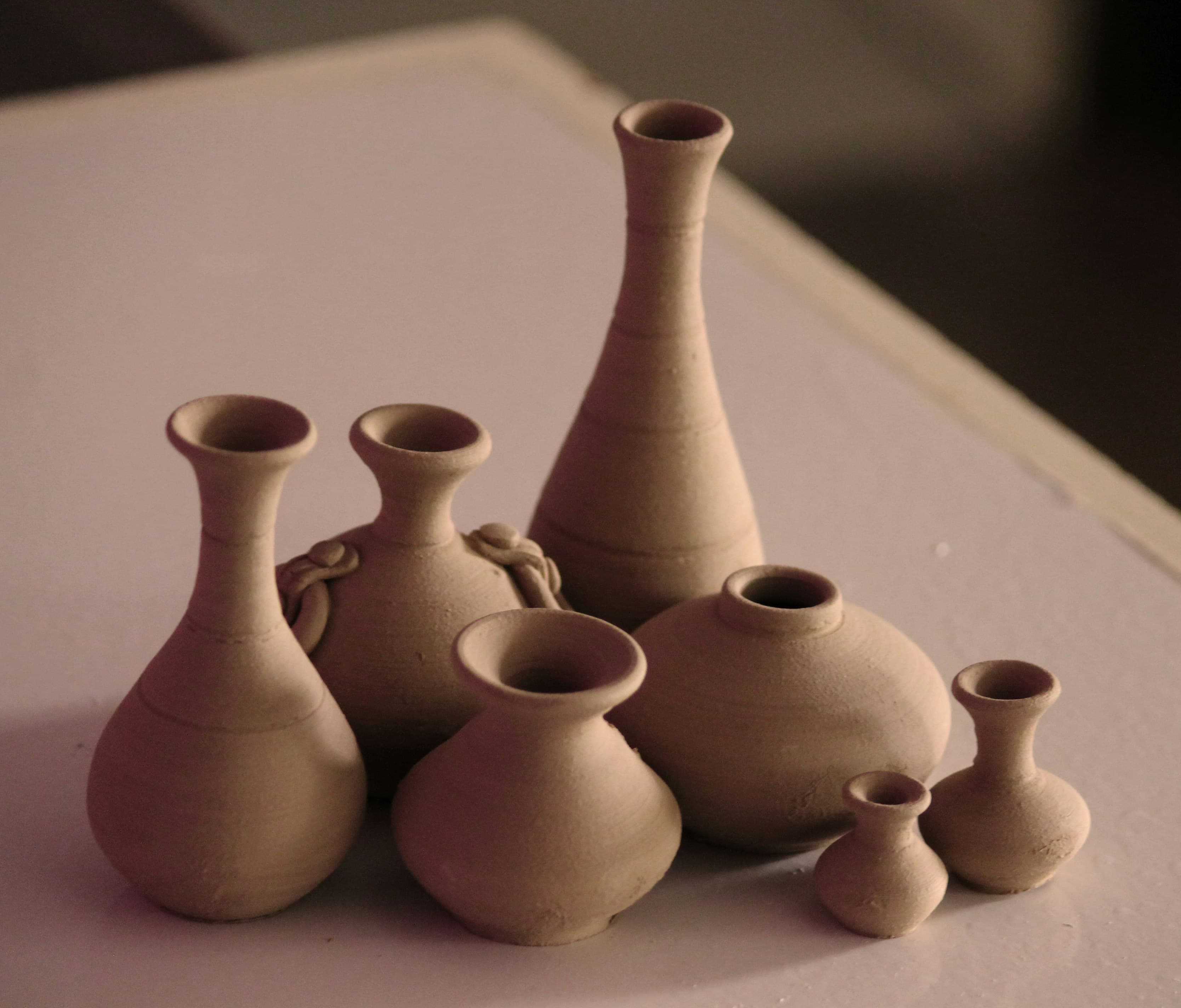
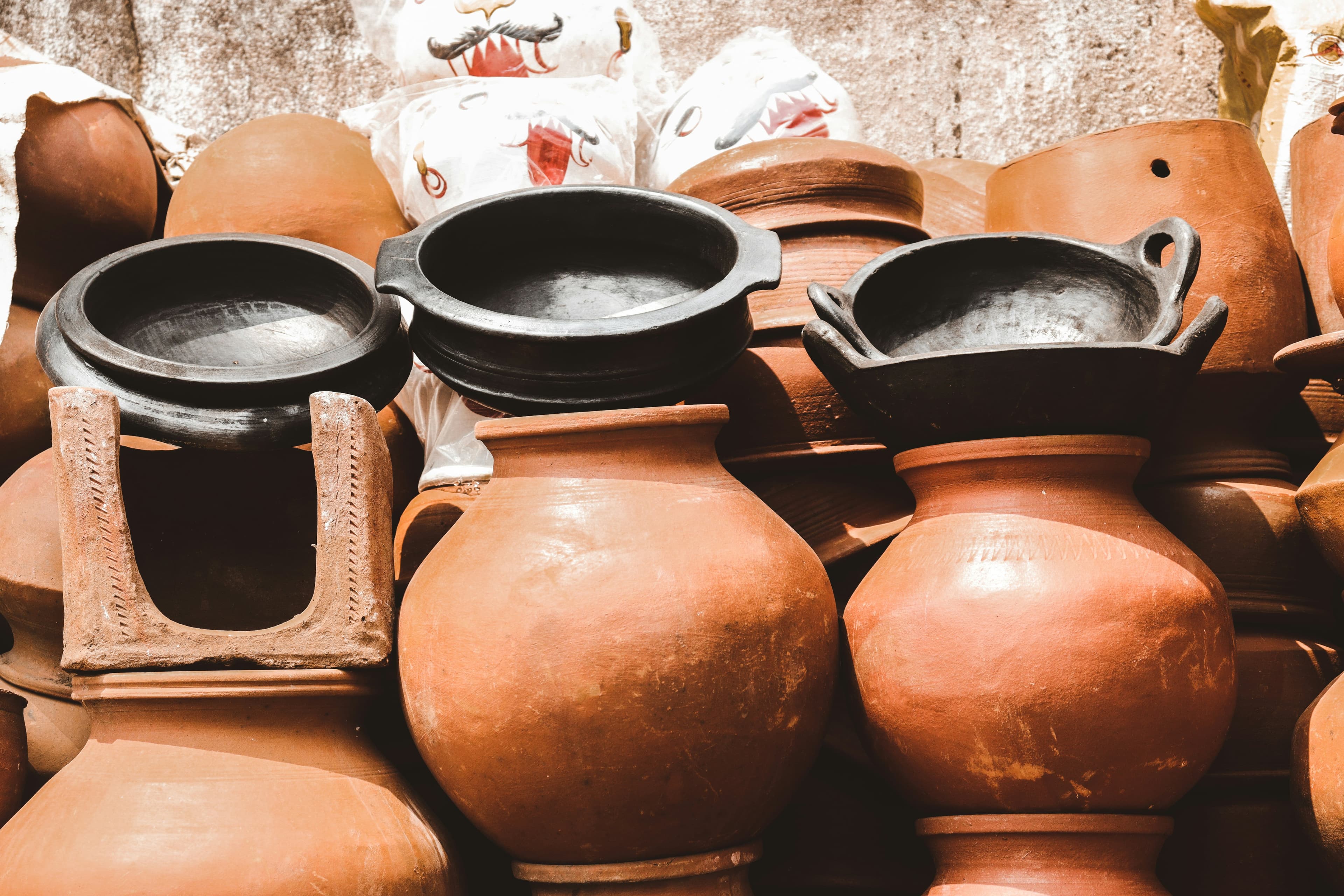
Terracotta is the classic outdoor planter for a reason. The porous clay breathes, which prevents root rot and keeps soil from getting waterlogged. It is affordable, widely available, and looks good in almost any garden style.
The downsides are real, though. Terracotta absorbs water, and in freezing climates, that water expands and cracks the pot. After two or three winters, a terracotta planter can look like it survived an earthquake. Terracotta is also heavy, which is good for stability but bad for moving. And in hot, dry climates, it wicks moisture away from the soil so fast that you will be watering constantly.
**Best for:** Mediterranean herbs, succulents, cacti, and gardeners in mild climates who do not mind replacing pots every few years.
**Avoid for:** Moisture-loving tropicals, large shrubs, and gardeners in climates with hard freezes.
Q: Is ceramic better than terracotta for outdoors?
**A: It depends on what you mean by better.**
Glazed ceramic is non-porous, so it does not absorb water and crack in freeze-thaw cycles. It holds moisture longer, which is good for plants that like consistent dampness. And it comes in colors and finishes that terracotta cannot match.
The downsides are weight and drainage. Ceramic is heavier than terracotta, which makes it stable but hard to move. And because it is non-porous, drainage becomes critical. A ceramic pot without a drainage hole is a swamp waiting to happen. Even with a hole, ceramic holds water longer, which can rot the roots of succulents and herbs.
**Best for:** Flowering annuals, tropical plants, and decorative patio displays in mild to moderate climates.
**Avoid for:** Succulents, cacti, and anything that needs fast drainage.
Q: What about metal planters?
**A: Stylish, but handle with care.**
Metal planters look incredible in modern and industrial gardens. Galvanized steel, zinc, and copper are all popular choices. They are durable, lightweight compared to ceramic, and available in clean, geometric shapes.
The problem is temperature. Metal conducts heat and cold. In direct summer sun, a metal planter can get hot enough to cook roots. In winter, it conducts cold directly to the soil, which can stress or kill tender plants. Metal also rusts over time, even when galvanized.
**Best for:** Using as cachepots with plastic nursery pots inside. This insulates the roots from temperature extremes and extends the life of the metal.
**Avoid for:** Direct planting in hot climates or with temperature-sensitive plants.
Q: Are plastic and resin planters any good?
**A: Better than their reputation.**
Plastic planters have a bad name because decades of cheap nursery pots created a lasting prejudice. Modern resin and high-density polyethylene planters are a different category. They are UV-stabilized, freeze-thaw resistant, and surprisingly attractive. Many mimic stone, concrete, or terracotta so convincingly that you have to tap them to know the difference.
The biggest advantage is weight. A large resin planter weighs a fraction of what ceramic or concrete does. This matters enormously on balconies, decks, and anywhere you might need to move planters seasonally. They are also non-porous, so they hold moisture well and do not dry out as fast as terracotta.
The downside is that non-porous plastic does not breathe. In humid climates or for plants that need dry soil, plastic can hold too much moisture. You have to be more careful about overwatering. And while UV-stabilized plastic resists fading, it will eventually degrade in intense sun. Expect five to ten years of life in full sun.
**Best for:** Balconies, decks, large plants, and anyone who needs to move planters regularly.
**Avoid for:** Succulents in humid climates and gardeners who want planters that last decades.
Q: What about wood planters?
**A: Beautiful but temporary.**
Wood planters are warm, natural, and versatile. Cedar and redwood contain natural oils that resist rot and insects, making them the best choices for outdoor use. They are also relatively lightweight and easy to build yourself.
The problem is that all wood rots eventually. Even cedar and redwood will degrade after five to seven years of constant moisture contact. Pressure-treated lumber lasts longer but can leach chemicals into the soil, which is a concern if you are growing food. Line wooden planters with plastic sheeting to extend their life and prevent soil contact with the wood.
**Best for:** Raised beds, vegetable gardens, and rustic or naturalistic garden styles.
**Avoid for:** Permanent installations and anyone who wants a zero-maintenance planter.
Q: Is concrete the most durable option?
**A: For the planter itself, yes. For your back, no.**
Concrete is beautiful, permanent, and absurdly heavy. A sixteen-inch concrete bowl can weigh eighty pounds empty. Add soil and water, and you are looking at well over a hundred pounds. Concrete does not crack in freezes, does not fade in sun, and will outlast your house.
The weight is the dealbreaker for most people. Unless you have ground-level space and no intention of ever moving the planter, concrete is probably not practical. It is also expensive and can raise soil pH over time, which affects acid-loving plants.
**Best for:** Permanent ground-level installations, large statement pieces, and modern gardens.
**Avoid for:** Balconies, decks, and anyone who likes to rearrange their garden.
Q: What is the best material for my climate?
**Hot, dry climates:** Terracotta and unglazed ceramic work well because they wick moisture and keep roots cool. Wood and plastic can overheat in direct sun.
**Humid climates:** Plastic, resin, and glazed ceramic resist moisture and do not rot. Terracotta can grow mold and algae in constant humidity. Wood rots faster.
**Cold climates with hard freezes:** Plastic, resin, fiberglass, and concrete handle freeze-thaw cycles well. Terracotta and ceramic crack. Metal conducts cold and can freeze roots.
**Coastal climates:** Plastic, resin, and fiberglass resist salt air. Metal rusts quickly. Wood degrades faster. Terracotta and ceramic are moderately resistant but can accumulate salt deposits.
The Bottom Line
There is no single best material for outdoor planters. The right choice depends on your climate, your plants, your budget, and how much you care about weight and portability. My personal setup is a mix: terracotta for herbs and succulents, resin for large plants on my balcony, and wood for my raised vegetable beds. Each material has its place, and the best garden uses the right tool for each job.
Buying Guide: Material Comparison and Prices
Fiberglass planters offer the best balance of durability, weight, and appearance for most gardeners. They resist UV damage, handle temperature swings, and can mimic the look of stone, concrete, or metal at a fraction of the weight. A quality fiberglass planter costs fifty to one hundred fifty dollars and lasts fifteen to twenty years. Look for gel-coated finishes, which provide the best UV protection.
Concrete is the most durable material but also the heaviest. A large concrete planter can weigh over two hundred pounds when empty and over five hundred when filled. Use concrete for permanent installations where you will never need to move it. Metal planters, particularly galvanized steel and Corten steel, offer industrial aesthetics and excellent durability. Galvanized steel resists rust for ten to fifteen years. Corten steel develops a protective rust patina that actually prevents further corrosion. Expect to pay forty to one hundred twenty dollars for quality metal planters.
Care & Maintenance by Material
Fiberglass and resin need only occasional washing with soapy water. Avoid abrasive scrubbers that scratch the gel coat. Concrete planters should be sealed every two to three years to prevent moisture absorption and freeze damage. Metal planters benefit from an annual inspection for scratches or dents that could expose raw metal to moisture. Touch up any damage with matching paint or sealant promptly. Wood planters need the most maintenance: reseal or re-stain annually, and replace any rotting boards immediately.
Common Mistakes Beginners Make
Beginners choose materials based solely on appearance without considering climate. Terracotta in Minnesota cracks in the first winter. Dark metal in Phoenix cooks plant roots. Another mistake is placing heavy concrete planters on decks or balconies without verifying structural load limits. A full concrete planter can exceed balcony weight capacities and create a safety hazard. Beginners also forget that metal conducts heat, turning a black metal pot into a root oven in summer.
Frequently Asked Questions
Q: What is the most durable outdoor planter material? A: Concrete and high-quality fiberglass are the most durable, both lasting decades with proper care. Metal and wood require more maintenance.
Q: Can I use indoor planters outside? A: Only if they are explicitly rated for outdoor use. Indoor materials like untreated wood and thin plastic degrade rapidly in UV light and weather.
Q: Do I need to seal concrete planters? A: Yes, unless they are specifically formulated as frost-resistant. Sealing prevents moisture absorption that leads to freeze-thaw cracking.
Q: Are plastic planters bad for the environment? A: Standard plastic planters are not biodegradable, but they are recyclable in many areas. Look for planters made from recycled plastic or bioresin for a lower environmental impact.
Climate-Specific Recommendations
In hot, arid climates, choose light-colored materials that reflect heat. White fiberglass, light concrete, or glazed ceramic in pale tones keep roots cooler. In cold climates with hard freezes, avoid terracotta and thin concrete unless specifically rated as frost-proof. Fiberglass, thick resin, and metal handle temperature extremes better. In coastal areas, avoid standard metal that corrodes in salt air. Use fiberglass, resin, or marine-grade aluminum instead.
James Brioche
Columnist