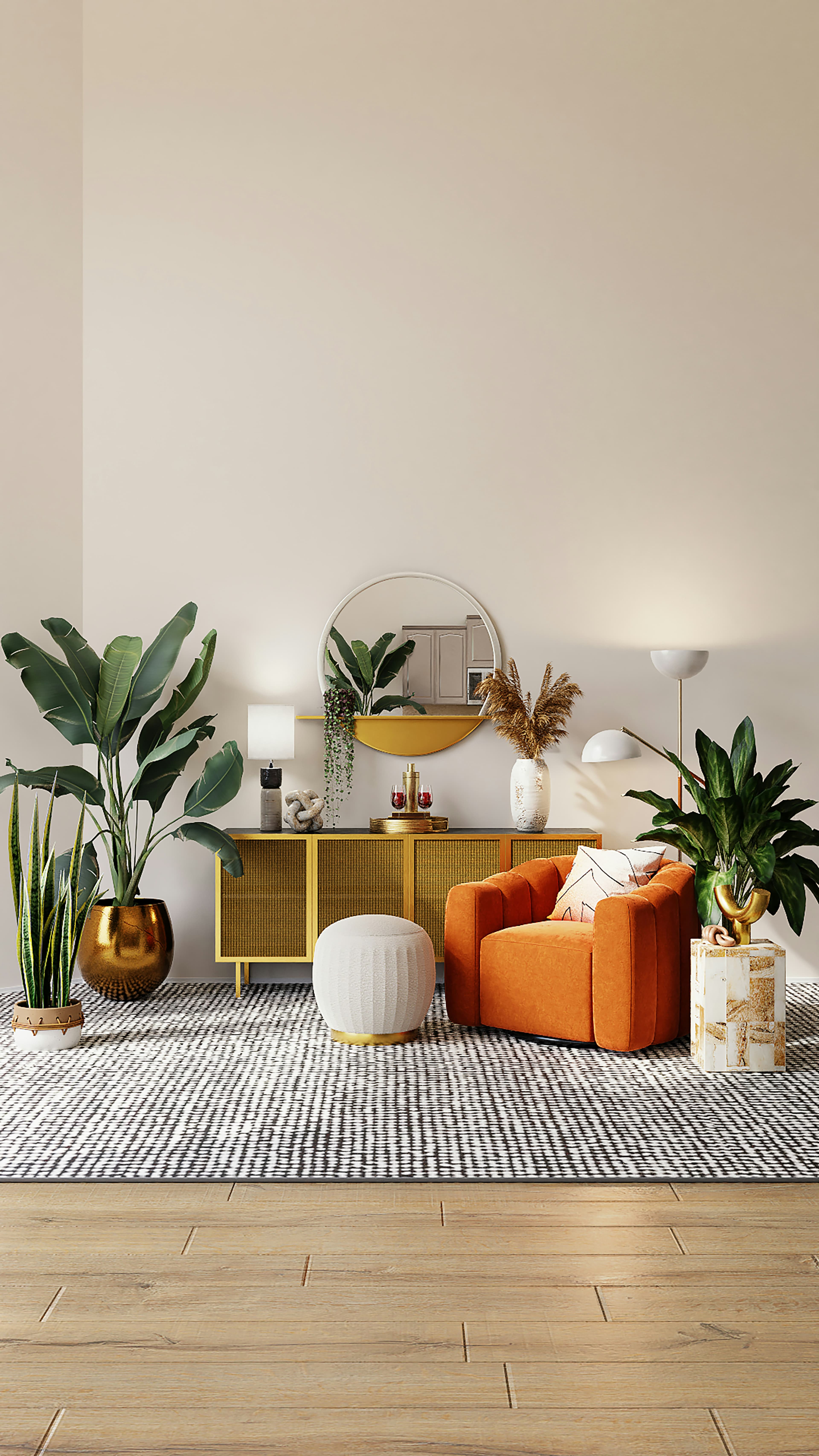
Small apartments force you to think vertically. When every square foot matters, a plant stand is not just a display piece. It is a space multiplier. The right stand lets you grow more plants without sacrificing floor space, and the wrong stand turns your living room into an obstacle course.
This guide is written for renters and apartment dwellers specifically. That means no drilling into walls unless it is reversible, no massive pieces that block doorways, and no DIY projects that require a workshop. Every recommendation below is something you can buy, assemble in an afternoon, and move when you relocate.
Tiered Plant Stands: The Space Multiplier
Tiered stands are the default recommendation for small apartments for good reason. A three-tier stand gives you three plants' worth of display space in a single footprint. The key is choosing the right style for your space.
**Ladder-style tiered stands** lean against walls and work best in narrow hallways or behind sofas. They are lightweight, easy to move, and do not require wall mounting. The downside is stability. A heavy pot on the top rung can make the ladder tip, so keep your heaviest plants on the bottom.
**Pyramid or A-frame tiered stands** are freestanding and more stable than ladders. They spread the weight across a wider base, which makes them safer for heavier pots. They take up more floor space than ladders, but they are still compact compared to spreading the same plants across a shelf or table.
**Stair-step tiered stands** have shelves at different heights arranged in a stairstep pattern. They are visually interesting and let each plant get light from the front. The downside is that the lower shelves can be shaded by the upper ones, so they work best near a window where light comes from the side.
Wall-Mounted Shelves: Zero Floor Space
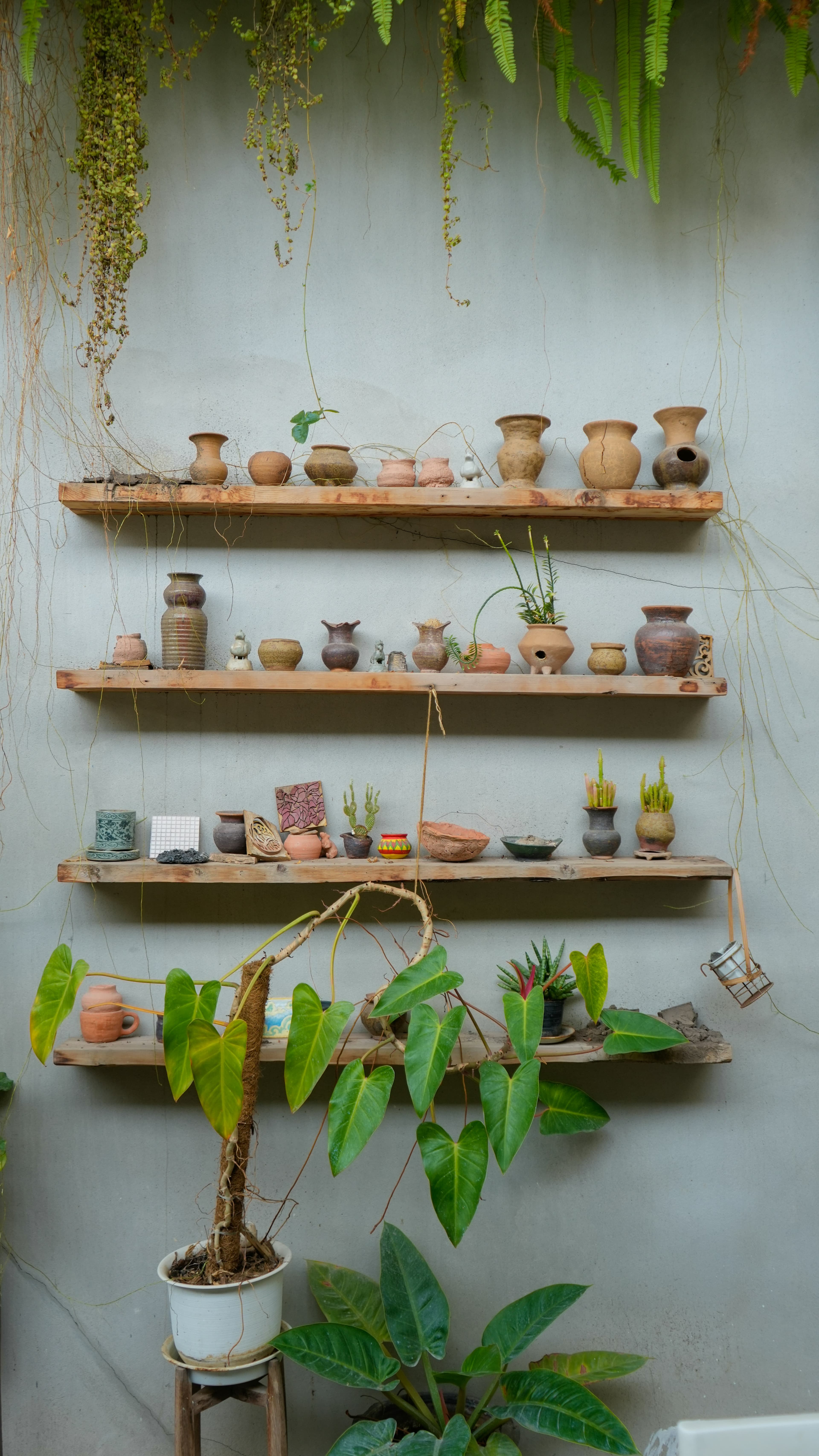
Wall-mounted shelves are the most space-efficient option because they use vertical space without touching the floor. A single floating shelf above a desk or sofa can hold three to five small pots. A grid of shelves on an empty wall becomes a living art installation.
For renters, the challenge is mounting without damaging walls. Command strips and adhesive hooks work for very light pots under two pounds. For anything heavier, use wall anchors or find the studs. When you move out, fill the holes with spackle and touch up the paint. Most landlords will not notice or care about a few properly filled holes.
The downside of wall shelves is weight limits. A shelf rated for ten pounds will hold one medium ceramic pot or two small plastic ones. Do not overload them. A falling pot is dangerous for your plant, your floor, and anyone sitting below.
Hanging Planters: The Ceiling Option
Hanging planters free up both floor and wall space. Macrame hangers, ceiling hooks, and tension-rod systems all work in apartments. The key is finding a secure anchor point.
Ceiling hooks are the most secure but require drilling. Use a stud finder to locate a ceiling joist, and use a hook rated for at least twice the weight of your fully watered pot. A dry pot weighs less than a wet one, and a large pot can easily weigh ten pounds when saturated.
Tension rods that extend from floor to ceiling are a renter-friendly alternative. They use spring tension to stay in place without drilling. Look for rods with multiple arms or hooks so you can hang several plants from one pole. The downside is that they can shift if bumped, so place them in low-traffic areas.
Macrame hangers are decorative and functional. They work with standard ceiling hooks or tension rods, and they add a boho aesthetic that fits most apartment styles. Make sure the hanger is rated for the weight of your pot, and check the knots regularly. Cotton rope can stretch and weaken over time.
Corner Stands: Using Dead Space
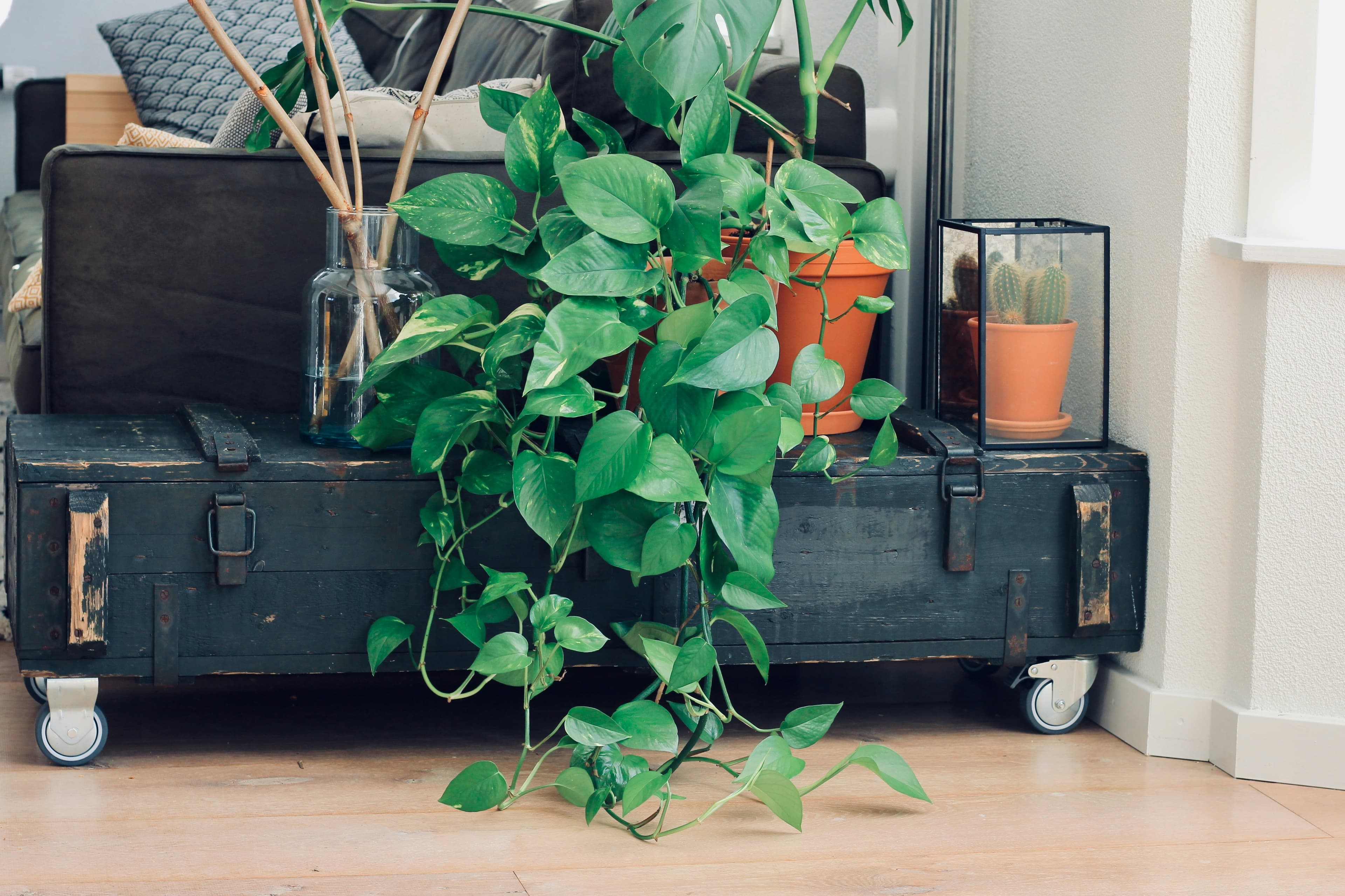
Corners are the most underused space in small apartments. A corner plant stand turns that dead space into a green display. Triangular stands fit neatly into corners, and tiered corner stands give you multiple levels without sticking out into the room.
Corner stands work best with trailing or cascading plants because the foliage softens the angle and makes the corner feel intentional. Pothos, philodendron, and string of pearls all look great on corner stands because their leaves spill over the edges and fill the space naturally.
The downside is access. Watering a corner stand can be awkward because you are working in a tight space. Use a small watering can with a long spout, or take the pots out to water them in the sink.
Weight, Stability, and Renter Realities
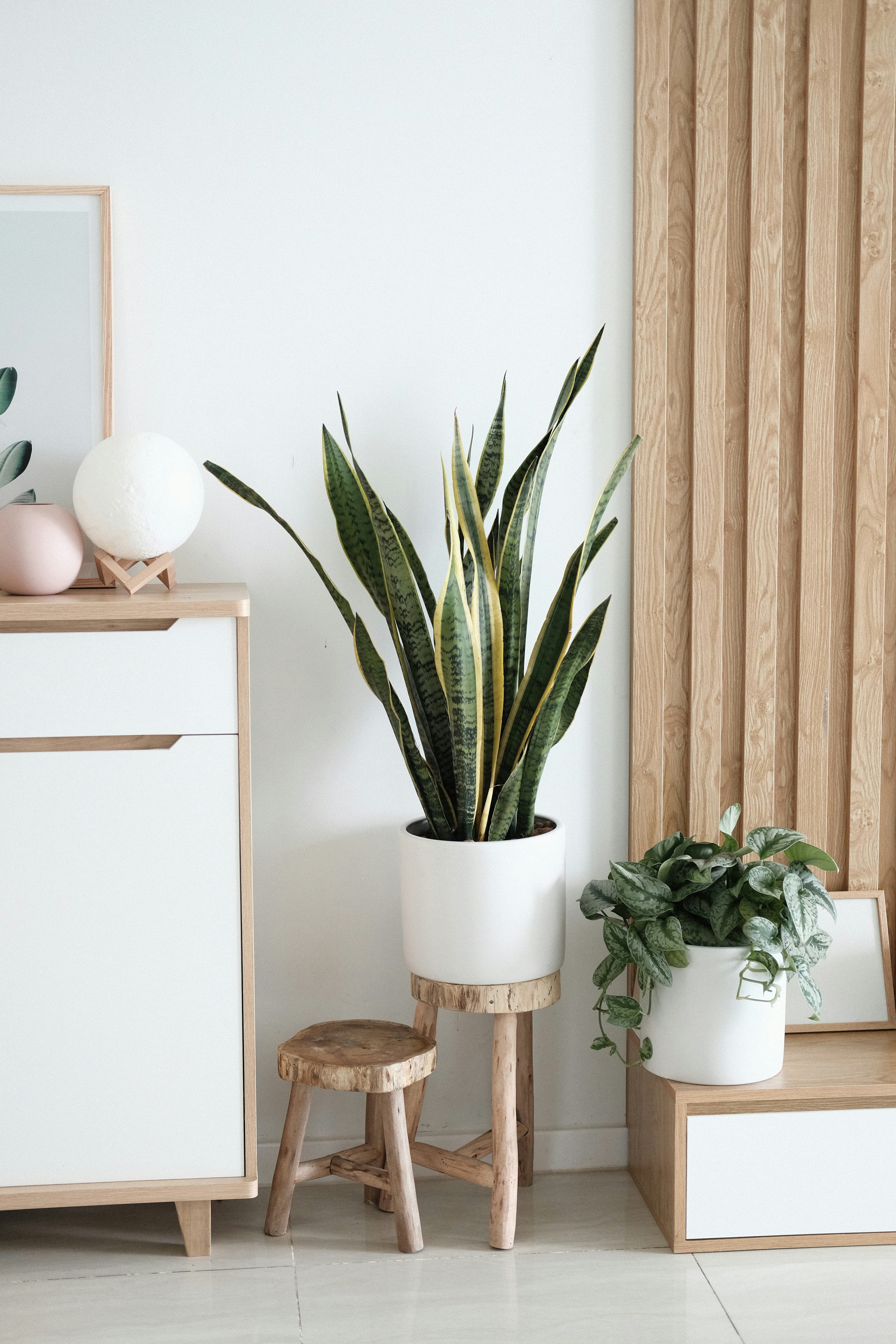
Every plant stand has a weight limit, and most people underestimate how heavy a potted plant is. A ten-inch terracotta pot with soil and a saturated plant can weigh twenty pounds or more. A large ceramic pot can weigh fifty. Check the stand's weight rating before you buy, and leave a safety margin.
Stability matters in small spaces because you are more likely to bump into things. A stand with a wide base is more stable than one with a narrow base. On carpet, stands can sink and tilt over time. Put a piece of plywood or a furniture coaster under the legs to distribute the weight.
For renters, portability is also key. Choose stands that are lightweight and easy to disassemble. Avoid anything that requires permanent installation unless you are willing to patch holes when you move. The best apartment plant stand is one that works in your current space and can come with you to the next one.
My Recommendations by Budget
**Under $30:** A simple two-tier metal stand or a single macrame hanger with a ceiling hook. These are entry-level options that work for a few small plants. Look for powder-coated metal to resist rust.
**$30 to $75:** A three-tier ladder or A-frame stand, or a set of floating shelves with mounting hardware. This is the sweet spot for most apartment gardeners. You get enough capacity for a modest collection without overwhelming your space.
**$75 to $150:** A four-tier corner stand or a tension-rod system with multiple hangers. These are investments, but they hold more plants and tend to be more stable and better looking than budget options.
**Over $150:** Custom or designer stands. These are beautiful and durable, but they are not necessary for most apartment setups. Buy one if you have the budget and the space, but do not feel like you need to spend this much to have a nice plant display.
The Bottom Line
The best plant stand for your small apartment is the one that fits your space, holds your plants safely, and can move with you when you relocate. Do not buy the biggest stand you can afford. Buy the smallest stand that holds the plants you have, and upgrade when your collection grows. A full, thriving plant stand is more beautiful than an empty, oversized one.
Buying Guide: Compact Stand Options
For truly tight spaces, consider multi-functional furniture. A narrow console table with a lower shelf doubles as a plant stand and entryway table. A rolling bar cart repurposed as a plant station moves with the sun and stores supplies underneath. Wall-mounted shelves with integrated planters save every inch of floor space. Prices for apartment-friendly stands range from twenty dollars for basic metal to one hundred fifty dollars for designer pieces.
Look for stands with a small footprint but vertical height. A stand that is twelve inches wide and four feet tall holds six to eight plants in the same floor space as a single large pot. Corner stands turn dead space into garden space. Hanging planters from ceiling hooks or tension rods keep surfaces completely clear. For renters, adhesive wall mounts rated for plant weight offer damage-free installation, but always verify weight limits and surface compatibility.
Care & Maintenance in Small Spaces
Small spaces accumulate dust faster, which blocks light and clogs leaf pores. Wipe leaves monthly with a damp cloth. In apartments with limited airflow, check for pests more frequently. Spider mites and fungus gnats thrive in stagnant air. Use a small fan on low setting to improve circulation without creating drafts. Protect floors from water damage. Even small saucers can overflow. Use waterproof trays or felt pads under every pot.
Common Mistakes Beginners Make
The most common apartment mistake is overloading windowsills. Too many plants block natural light and create humidity pockets that encourage mold. Spread plants across multiple windows and use supplemental grow lights for darker corners. Another error is ignoring lease restrictions. Some landlords prohibit wall-mounted shelves or ceiling hooks. Check your lease or ask permission before installing anything permanent. Beginners also choose plants that outgrow small spaces quickly. Start with compact, slow-growing varieties.
Frequently Asked Questions
Q: How do I garden in an apartment with no balcony? A: Use windowsills, wall-mounted shelves, and hanging planters. Choose low-light tolerant plants like snake plants, pothos, and ZZ plants for north-facing windows.
Q: Can I put a plant stand on carpet? A: Yes, but use waterproof trays or saucers to prevent moisture damage. Place a plastic mat or boot tray underneath for extra protection.
Q: What are the best plants for small apartments? A: Compact varieties like succulents, air plants, small ferns, and trailing pothos work well. Avoid fast-growing trees or large specimens unless you have dedicated floor space.
Q: Do grow lights work in apartments? A: Yes. LED grow lights are energy-efficient and effective. A simple clip-on grow light costs twenty to forty dollars and can support several small plants in a dark corner.
Maximizing Greenery in Minimal Space
Think three-dimensionally. Use floor stands for height, wall shelves for mid-level display, and hanging planters for overhead greenery. A single well-designed vertical garden can hold a dozen plants in under four square feet of floor space. Choose plants with different growth habits: upright plants for height, trailing plants for softness, and compact plants for density. This creates visual depth that makes a small collection look abundant and intentional.
James Brioche
Columnist