I bought my first three-tier plant stand because I ran out of windowsill. My apartment had exactly one south-facing window, and by the time I added a snake plant, a pothos, and a small herb garden, there was no room left for anything else. The tiered stand seemed like the obvious solution: more plants, same footprint.
Multi-tier stands are one of the best tools for small-space gardening, but they come with real challenges. Light falls from above, which means the bottom shelf is always the darkest. Weight distribution matters more than most people think. And if you do not plan the layout carefully, you end up with a tower of struggling plants instead of a thriving display.
The Science of What Goes Where
Light is the single biggest factor in tiered arrangements. The top shelf gets the most light. The bottom shelf gets the least. This is not a flaw in your stand. It is physics.
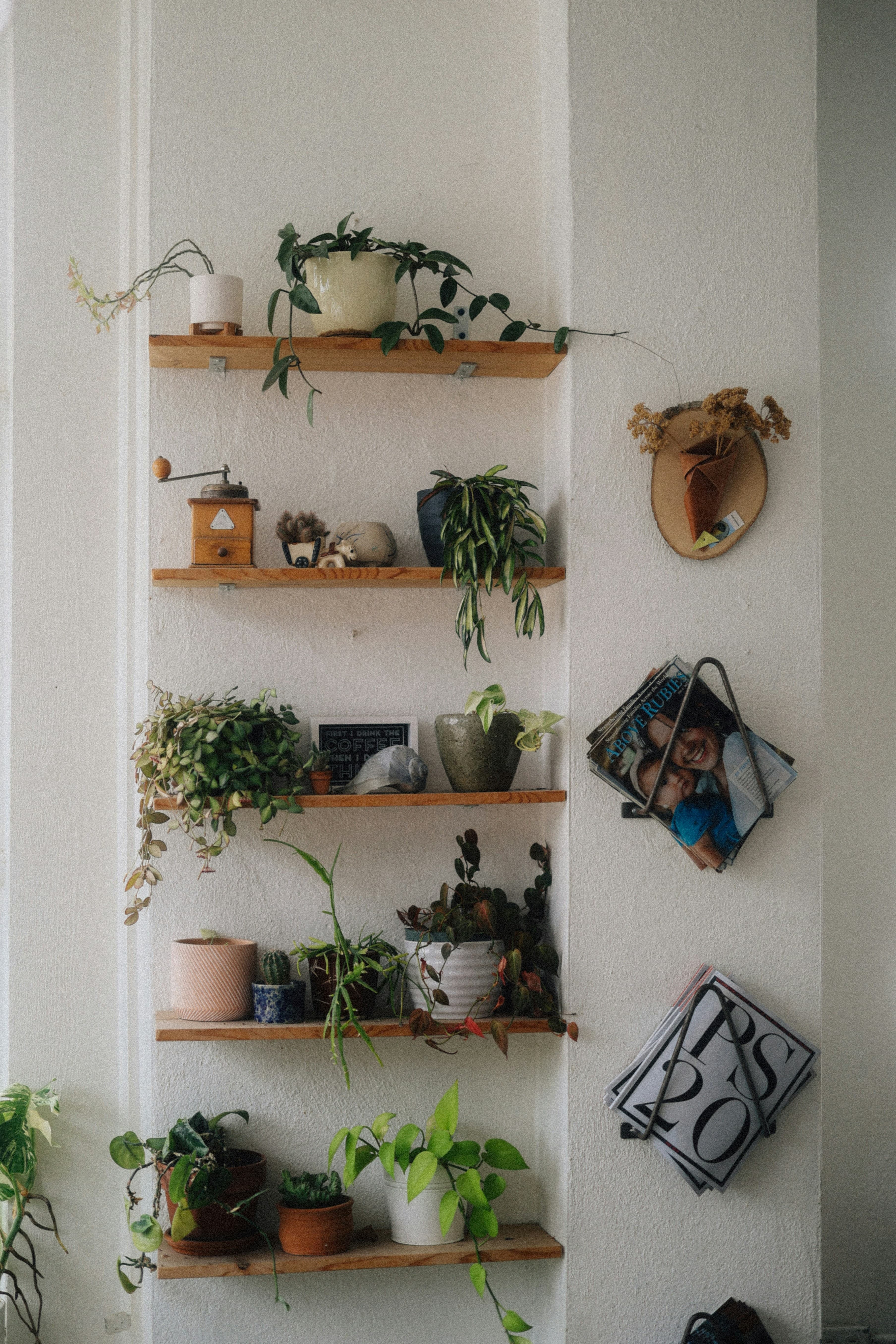
Top shelf plants need to be your sun-lovers. Herbs like basil, rosemary, and thyme need six or more hours of direct light. Succulents and cacti want as much sun as possible. Put these on the top tier where they get unobstructed light.
Middle shelf plants should be your medium-light lovers. Pothos, philodendron, spider plants, and most ferns do well with bright, indirect light. They can handle some direct morning sun but will burn in harsh afternoon rays. The middle tier is perfect for them.
Bottom shelf plants need to be your shade-tolerant or low-light survivors. Snake plants, ZZ plants, and peace lilies can handle lower light levels. They will not grow as fast as they would in brighter spots, but they will survive. Do not put sun-loving plants on the bottom shelf unless you supplement with a grow light.
Weight, Stability, and the Laws of Physics
A three-tier stand with terracotta pots and saturated soil can easily weigh fifty pounds or more. If your stand has a narrow base or is on carpet, it can tip. I learned this the hard way when my metal tiered stand tipped over during a party, sending a ceramic pot and a thriving rosemary plant crashing to the floor.
The fix is simple: put your heaviest pots on the bottom shelf. This lowers the center of gravity and makes the stand more stable. Use lighter pots on the upper shelves. Plastic, resin, and fabric grow bags are good choices for top tiers. Terracotta and ceramic should stay low.
If your stand feels wobbly, check the feet. Many stands come with adjustable feet for uneven floors. On carpet, consider putting a small piece of plywood under the stand to distribute the weight. On hardwood, use felt pads to prevent scratches and add grip.
Watering Without Making a Mess
Watering tiered stands is awkward. You cannot easily lift the top pots to check drainage, and water can drip from the upper shelves onto the plants below. This is actually fine for most plants, but it can overwater succulents and cacti on lower shelves.
The easiest solution is to water each plant individually and let it drain before putting it back. I take my top-shelf plants to the sink, water them, let them drain, and return them to the stand. For the bottom shelves, I use a small watering can with a narrow spout and water carefully around the base of each plant.
Another option is to use self-watering pots or pots with built-in reservoirs on the upper shelves. These reduce the frequency of watering and minimize drips. Just make sure the reservoir does not overflow and drip onto the plants below.
Rotation and Maintenance
Plants on tiered stands tend to lean toward the light source. If your stand is against a wall or near a window, the side facing the light will grow faster and fuller than the shaded side. Rotate your plants every week or two to keep them growing evenly.
Dust also accumulates faster on lower shelves because they are closer to the floor and get less air circulation. Wipe leaves with a damp cloth every few weeks to keep them clean and able to photosynthesize efficiently. Check the bottom shelf regularly for pests, since the lower light and humidity can attract fungus gnats and spider mites.
When Tiered Stands Are Not the Answer
Tiered stands are great for many situations, but they are not perfect for everything. If you have very tall plants, a tiered stand might not provide enough headroom. If you have cats, the shelves can become launching pads. If your space is extremely dark, a tiered stand will not create light where there is none.
In those cases, consider wall-mounted shelves, hanging planters, or a single large plant stand instead. The goal is not to use the trendiest solution. It is to find the setup that keeps your plants healthy and fits your space.
My Current Tiered Stand Setup
I currently use a four-tier metal stand in my kitchen window. The top shelf holds basil, rosemary, and a small cherry tomato in summer. The second shelf has a pothos and a spider plant. The third shelf has a snake plant and a ZZ plant. The bottom shelf is empty most of the year because it does not get enough light, but in winter I move the snake plant down and put a grow light above the stand.
The stand is on a piece of plywood on top of the carpet, and I check the feet every month to make sure they are level. I rotate the plants every two weeks and water them individually in the sink. It is not the most efficient system, but it works, and my plants are thriving.
Buying Guide: Choosing the Right Tiered Stand
Measure your vertical space before shopping. A six-foot stand in a room with eight-foot ceilings leaves only two feet of clearance, which may feel cramped. Allow at least eighteen inches above the top shelf for plant growth and air circulation. Check shelf dimensions. A ten-inch-deep shelf holds most standard pots, but deep bowls or wide planters may overhang. Weight capacity per tier matters more than total capacity. A stand rated for one hundred pounds total but only fifteen pounds per shelf will fail if you load the middle tier with a heavy ceramic pot.
Materials for tiered stands include powder-coated steel, bamboo, solid wood, and plastic. Steel is strongest and most durable but can rust if the coating chips. Bamboo is eco-friendly and attractive but may warp in high humidity. Solid wood like teak or acacia is beautiful and long-lasting if maintained. Plastic is the most affordable but the least stable for tall arrangements. Prices range from thirty dollars for basic three-tier plastic to three hundred dollars for solid hardwood heirlooms.
Care & Maintenance
Rotate your tiered stand quarterly so all plants receive equal light over time. The back side of a stand against a window will always be darker. Clean shelves monthly to remove dust, fallen leaves, and spilled soil. Check joints and screws every season. Tiered stands experience more stress than single-level stands because weight distribution changes as plants grow. Tighten any loose fasteners before they worsen.
Common Mistakes Beginners Make
Beginners place the heaviest plants on upper tiers, creating a tip-over hazard. Always load the bottom shelf with your largest, heaviest pots and reserve upper tiers for lightweight plants and trailing varieties. Another mistake is ignoring plant light requirements. A shade-loving fern placed on the sunny top shelf will scorch, while a sun-loving succulent in the bottom shade will etiolate and stretch. Match plant placement to each plant's light needs.
Frequently Asked Questions
Q: How much weight can a tiered stand hold? A: Most three-tier stands hold fifty to one hundred pounds total. Check per-shelf ratings, as the top shelf usually has the lowest capacity.
Q: Can I use a tiered stand outdoors? A: Only if it is rated for outdoor use. Look for powder-coated metal, teak, or cedar. Bring wooden stands indoors during wet seasons unless they are specifically treated for exterior use.
Q: What plants work best on tiered stands? A: Trailing plants like pothos and string of pearls look stunning cascading from upper shelves. Compact plants like succulents and herbs work well on middle tiers. Small trees or statement plants belong on the bottom.
Q: How do I keep a tall stand from tipping? A: Place it against a wall for stability, keep heavy pots low, and avoid high-traffic areas where it can be bumped. Consider securing it to the wall with a furniture strap if you have pets or children.
Design Tips for Vertical Gardens
Create visual interest by varying plant heights, colors, and textures. Place a tall, upright plant on the bottom shelf as an anchor. Add medium-height leafy plants on the middle tier. Let trailing plants spill from the top shelf downward. This creates a waterfall effect that draws the eye upward. Choose pots in a cohesive color palette. Mixing too many colors looks chaotic; stick to two or three complementary tones for a designer look.
James Brioche
Columnist