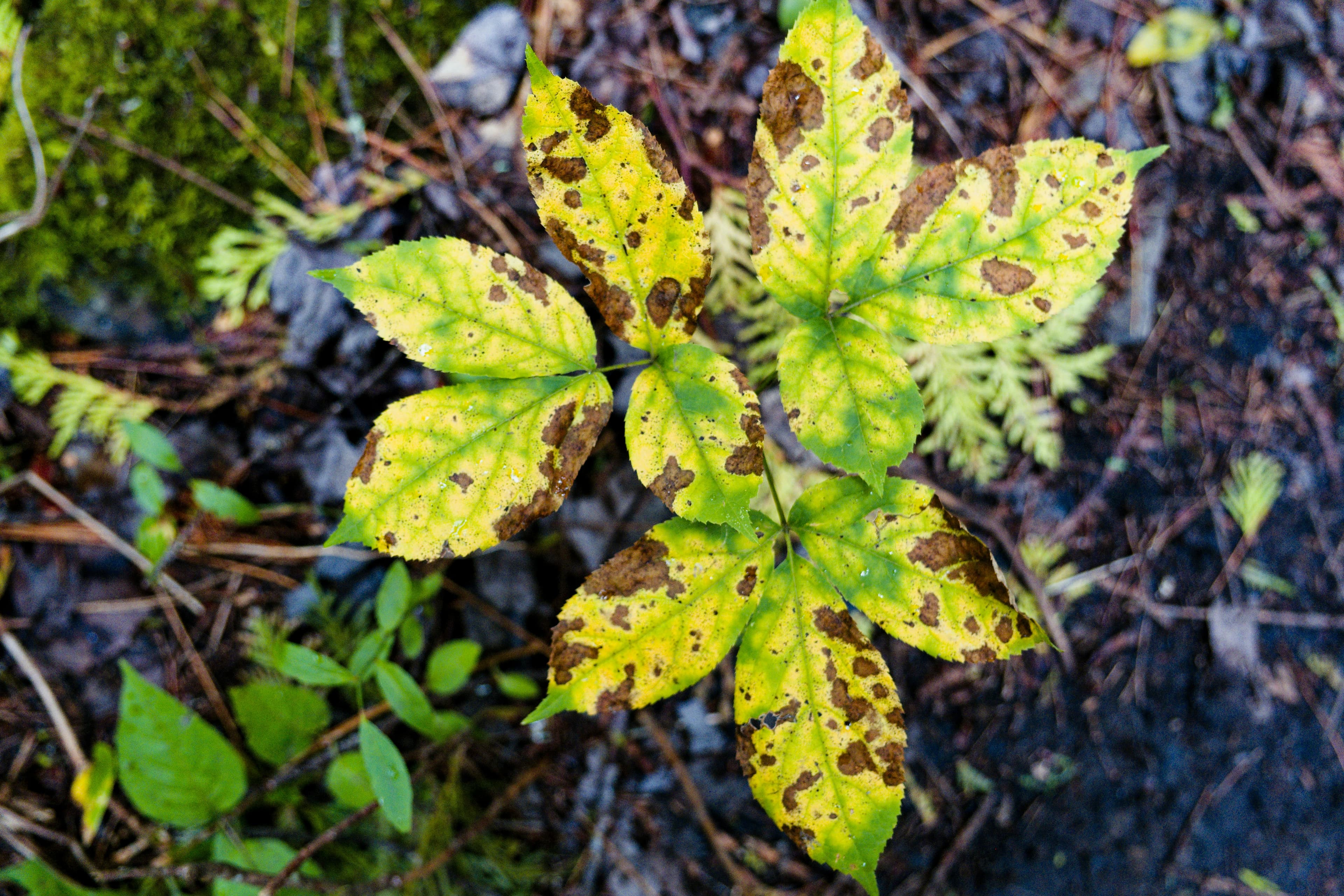
The first plant I ever killed was a pothos. I gave it a full glass of water every single day because I thought I was being a good plant parent. Within two weeks, the leaves turned yellow and dropped off. The roots were rotting in soggy soil, and I had no idea why.
Here's the thing nobody tells you when you buy your first plant: watering is the single biggest killer of container plants, and the mistakes are almost always rooted in kindness. We overwater because we care. We water on schedules because we are organized. We mist leaves because we have seen it in movies. None of these things are inherently wrong, but they are often wrong for your specific plant, your specific pot, and your specific environment.
After killing more plants than I care to admit, I finally figured out that watering is not about following rules. It is about reading your plant, your soil, and your conditions. Here are the five mistakes I made repeatedly, and what I do now instead.
The "Kindness Killers" and Why Your Plants Are Drowning
Overwatering isn't about giving too much water in one go. It is about giving water too frequently, before the soil has had a chance to dry out. Roots need oxygen as much as they need water. When soil stays saturated, air pockets collapse and roots suffocate. Then they rot. Then the plant dies.
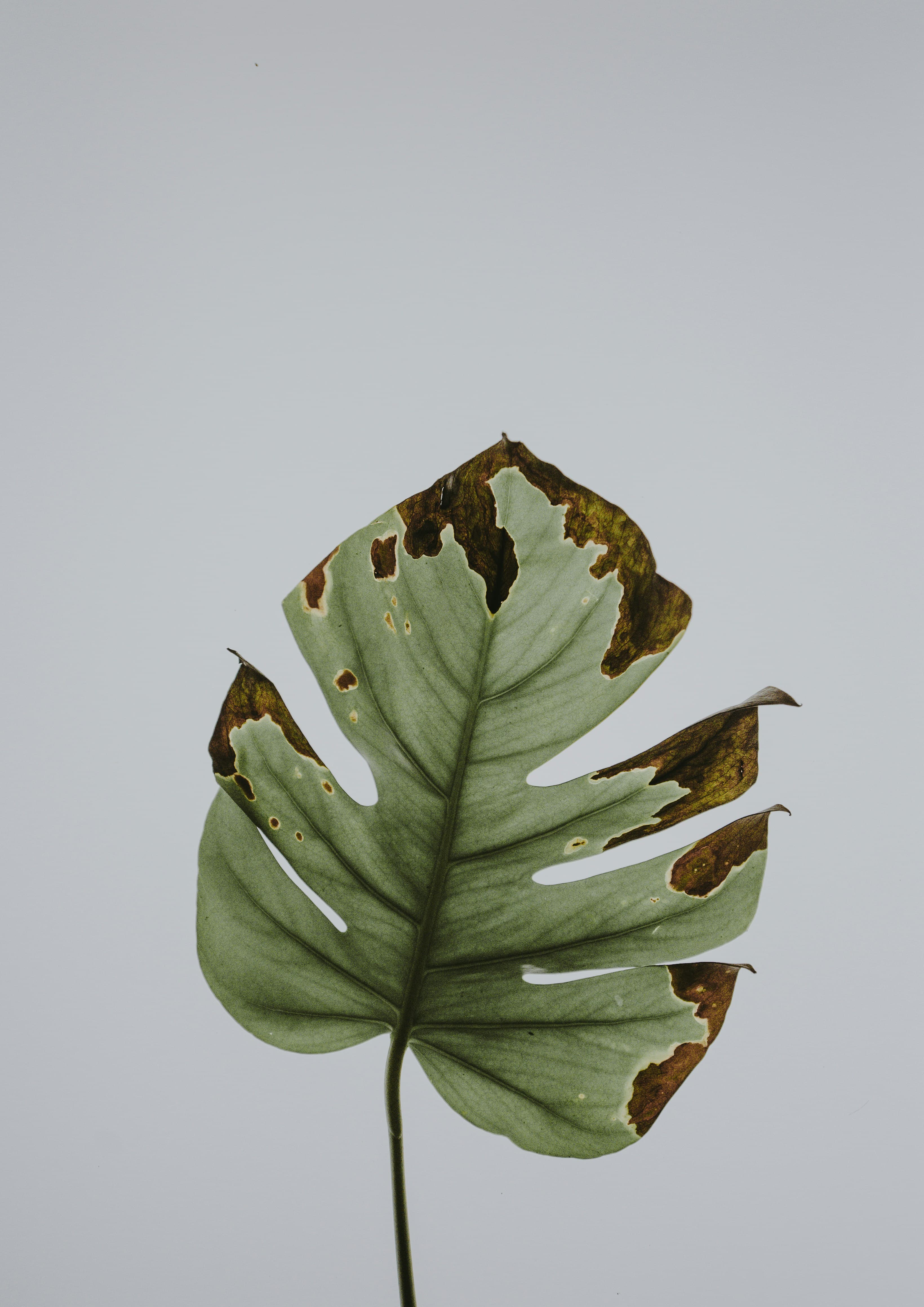
The signs of overwatering are easy to miss because they look like underwatering. Yellow leaves, wilting, and drooping can happen in both cases. The difference is in the soil. If the soil is wet and the plant looks sad, you are overwatering. If the soil is dry and the plant looks sad, you are underwatering.
The fix is simple in theory and tricky in practice: let the soil dry out. For most houseplants, the top inch of soil should be dry before you water again. For succulents and cacti, the entire pot should be dry. For tropical plants like ferns and peace lilies, the soil should stay lightly moist but never soggy.
I killed a string of pearls by treating it like a pothos. String of pearls is a succulent. It stores water in its leaves and needs the soil to dry completely between waterings. I watered it weekly because that is what the internet said, and it rotted from the roots up. Now I check the soil with my finger before watering any plant, and I wait until it actually needs water.
Watering on a Schedule Instead of Reading the Soil
The internet loves schedules. "Water your pothos every seven days." "Water your snake plant every two weeks." These schedules are averages, not rules. They assume average light, average temperature, average humidity, and average pot size. Your home is not average.
In winter, when light is weaker and temperatures are cooler, plants use less water. A plant that needs weekly watering in July might go three weeks in January. In summer, when light is stronger and air conditioning dries the air, plants might need water twice as often.
The only reliable way to know when to water is to check the soil. Stick your finger into the soil up to the second knuckle. If it feels dry, water. If it feels moist, wait. For small pots, lift the pot. A dry pot is noticeably lighter than a wet one. For larger pots, use a wooden skewer or a moisture meter.
I used to water all my plants on Sundays because it fit my schedule. Now I check soil moisture on Sundays, and I only water the plants that actually need it. Some weeks that is four plants. Some weeks that is ten. The plants are healthier, and I stop feeling guilty about neglecting the ones that do not need water.
Ignoring Drainage and Drowning the Roots
A pot without drainage is a death trap. No matter how careful you are, excess water has nowhere to go. It pools at the bottom, saturates the soil, and rots the roots. Decorative pots without holes are called cachepots, and they are meant to hold a nursery pot inside them, not to be planted directly.
If you have a pot you love that does not have a hole, either drill one or use it as a cachepot. Put your plant in a plastic nursery pot with drainage holes, and set that pot inside the decorative one. When you water, lift the inner pot out, water it in the sink, let it drain completely, and then put it back.
I learned this lesson with a beautiful ceramic planter I bought at a flea market. It had no drainage hole, and I planted a fern directly in it. The fern looked great for a month, then started dropping leaves. When I pulled the plant out, the bottom third of the soil was a swamp. The roots were black and mushy. The planter is still beautiful. It now holds a plastic nursery pot, and the plant inside it is thriving.
Watering the Leaves Instead of the Soil
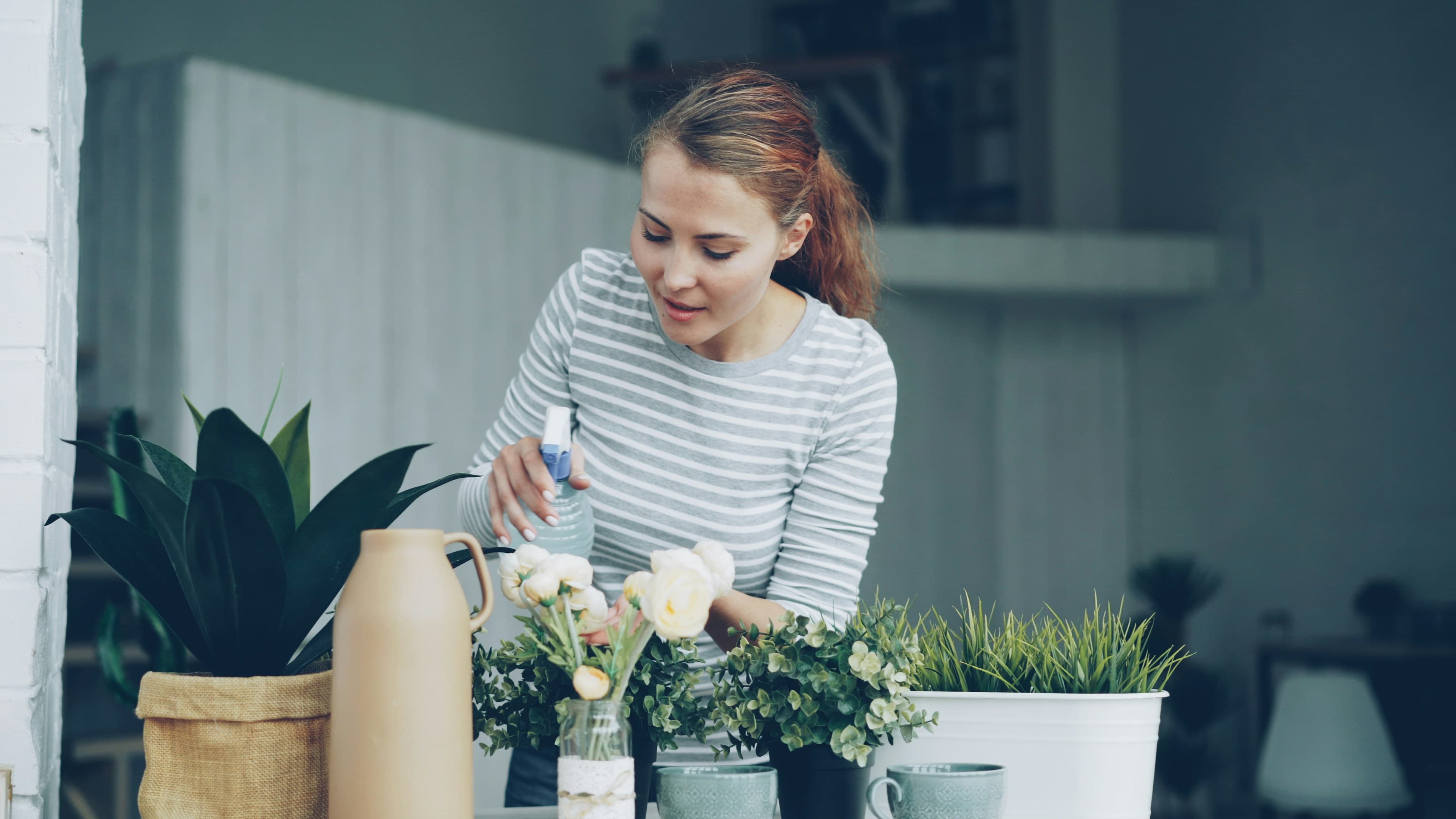
Misting leaves looks nice, and it feels like you are doing something good for your plant. But for most houseplants, misting does almost nothing for humidity and can actually cause problems. Water droplets on leaves can act as magnifying glasses in direct sun, burning the foliage. Wet leaves also create conditions for fungal diseases, especially in plants with hairy leaves like African violets.
If you want to raise humidity for tropical plants, use a humidifier or a pebble tray. A pebble tray is a shallow dish filled with pebbles and water. The plant sits on top of the pebbles, not in the water. As the water evaporates, it raises the humidity around the plant. Misting might feel good for you, but it does not last long enough to help the plant.
The exception is plants that naturally grow in humid environments and absorb water through their leaves, like air plants and some ferns. For these, occasional misting is beneficial. But for the vast majority of houseplants, water the soil, not the leaves.
Using Ice Cubes and Other "Hacks" That Harm
Ice cubes are a trendy watering method, especially for orchids. The idea is that the ice melts slowly, giving the plant a gentle, gradual drink. The reality is that ice cubes are too cold for tropical roots and do not provide enough water for most plants. Orchid roots are sensitive to cold, and ice can damage the tissue.
Other hacks I have seen include watering with hydrogen peroxide, using coffee grounds as fertilizer, and putting plants in the shower. Some of these are harmless but unnecessary. Others can actually harm your plants. Hydrogen peroxide can damage roots in high concentrations. Coffee grounds can change soil pH in ways your plant might not like.
The best watering method is the boring one: room-temperature water, applied slowly to the soil until it drains out the bottom. Let the pot drain completely, and do not let it sit in standing water. It is not glamorous, but it works.
What I Do Now: A Simple Watering Routine That Works
Every Sunday, I check all my plants. I stick my finger into the soil of each one. If the top inch is dry, I water. If it is still moist, I skip it. I water in the sink when possible, letting the water run through the drainage holes until the soil is fully saturated. Then I let the pot drain for at least ten minutes before putting it back in its saucer or cachepot.
I keep a small notebook where I note which plants got watered each week. This helps me track patterns and adjust as seasons change. In winter, I water less. In summer, I water more. When I get a new plant, I research its specific needs and add it to my routine.
The result is that I rarely lose plants to watering issues now. The plants that do struggle are usually telling me something I need to pay attention to: a pot that is too big, a spot that is too dark, or a plant that simply does not fit my home's conditions. Watering is a skill, and like any skill, it gets easier with practice.
Buying Guide: Watering Tools Worth Owning
A few inexpensive tools can transform your watering accuracy. A simple moisture meter, costing under fifteen dollars, removes the guesswork from soil hydration. Insert it two inches deep and water only when the reading drops to the dry zone for your specific plant. A long-spout watering can provides precise delivery without splashing foliage. For large collections, a programmable drip irrigation system with a battery timer costs thirty to sixty dollars and pays for itself in saved plants.
Self-watering inserts and globes work for short vacations but are not a long-term solution. They often deliver uneven moisture and can clog with mineral deposits. Use them for weekend trips, not as a replacement for learning your plants' actual needs. A humidity tray filled with pebbles and water raises ambient moisture around tropical plants without wetting the soil.
Care & Maintenance for Healthy Watering Habits
Establish a consistent watering schedule based on observation, not the calendar. Check soil moisture every two to three days during growing season and weekly in winter. Water in the morning so excess moisture evaporates during the day, reducing fungal risk. Empty drainage saucers within an hour of watering to prevent root rot. Clean saucers weekly to prevent algae and mosquito breeding.
Common Mistakes Beginners Make
The deadliest mistake is following a rigid schedule. Watering every Tuesday regardless of soil moisture leads to chronic overwatering or underwatering. Another error is using cold tap water on tropical plants. Let water sit overnight to reach room temperature and allow chlorine to dissipate. Beginners also water from above without checking if the soil is actually dry. Always verify moisture before adding more water.
Frequently Asked Questions
Q: How do I know if I am overwatering? A: Yellow leaves, soggy soil, and a musty smell indicate overwatering. Roots may turn brown and mushy. Let the soil dry completely before watering again.
Q: Is tap water safe for plants? A: Generally yes, but some plants are sensitive to chlorine and fluoride. Let tap water sit overnight, or use filtered water for sensitive species like dracaenas and spider plants.
Q: Should I mist my plants? A: Misting temporarily raises humidity but the effect lasts only minutes. For plants that need high humidity, use a pebble tray or a humidifier instead.
Q: How do I water plants while on vacation? A: Move plants to a shaded spot to reduce water needs. Use self-watering spikes for short trips, or ask a friend to check them for longer absences.
Seasonal Watering Adjustments
Plants need less water in winter when growth slows and evaporation drops. Reduce watering frequency by thirty to fifty percent from November through February. In summer, heat and air conditioning increase evaporation, so check soil more frequently. Outdoor container plants may need daily watering during heat waves, while the same plants in spring might only need water twice a week.
James Brioche
Columnist