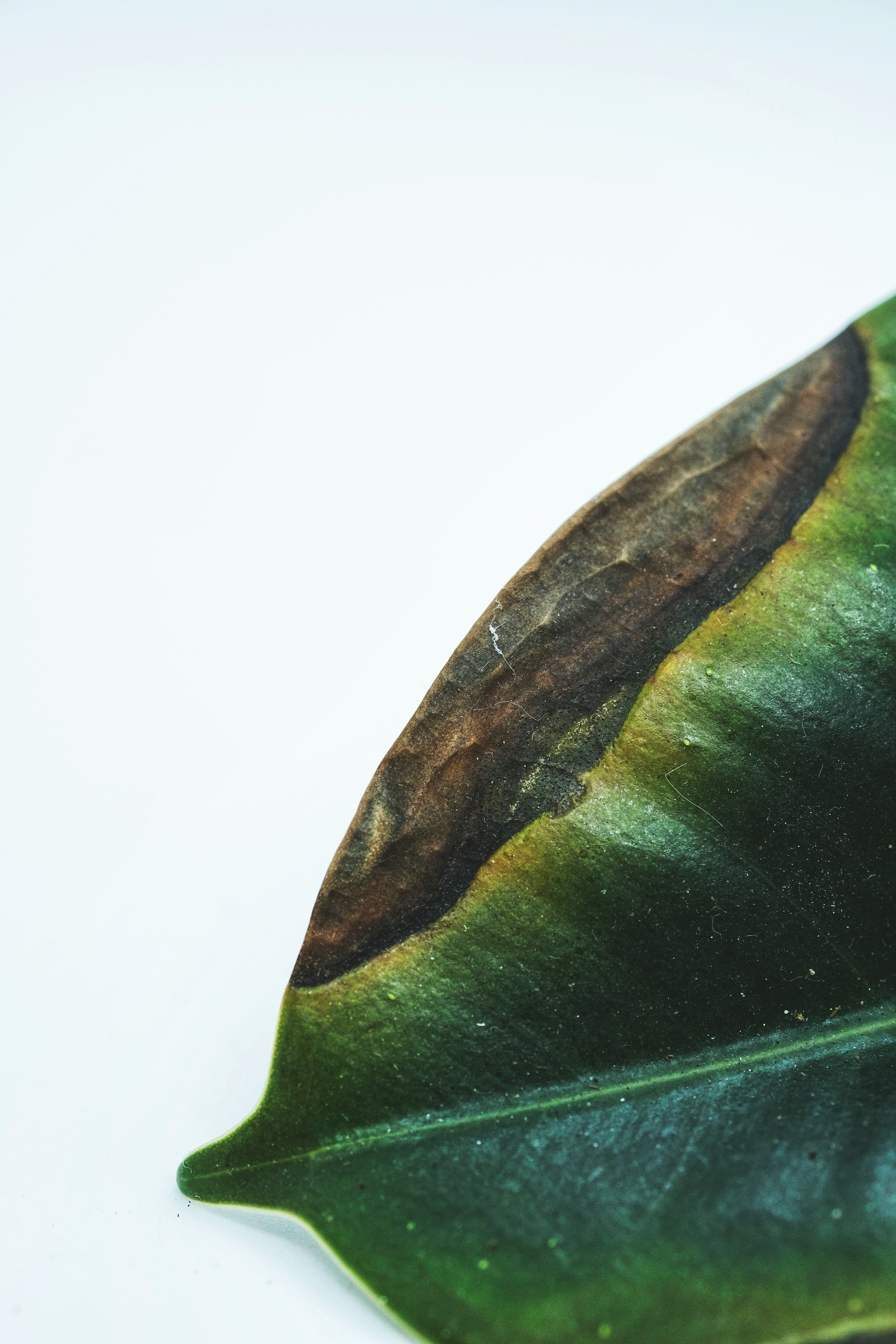
If you have killed more than three plants in pots, you are not alone. Most beginner gardeners lose their first few plants to simple, fixable problems. The good news is that once you know what to look for, you can diagnose and fix most issues before they become fatal.
Q: Am I overwatering or underwatering?
This is the most common question beginners ask, and the symptoms can look surprisingly similar. Yellow leaves, drooping, and wilting happen in both cases. The key is the soil.
**Overwatering signs:** Leaves turn yellow starting from the bottom of the plant. The soil feels wet or smells musty. You might see fungus gnats flying around the pot. The roots, if you check them, are brown and mushy instead of white and firm.
**Underwatering signs:** Leaves wilt and feel crispy or papery rather than soft. The soil is dry and pulls away from the sides of the pot. The plant perks up quickly after watering.
**The fix for overwatering:** Stop watering on a schedule. Instead, stick your finger into the soil up to the second knuckle. If it feels moist, wait. Make sure your pot has drainage holes, and never let the pot sit in standing water. If the roots are already rotting, you may need to repot the plant in fresh, dry soil and trim away the damaged roots.
**The fix for underwatering:** Water deeply until water runs out the drainage holes. Then let the soil dry slightly before watering again. Do not just give the plant a splash. Shallow watering encourages shallow roots, which makes the plant more vulnerable to drying out.
Q: Is my pot too small?
Roots need room to grow. When a plant becomes root-bound, the roots circle the inside of the pot, leaving no room for soil or water. The plant stops growing, the soil dries out almost instantly after watering, and water runs straight through the pot without being absorbed.
Check by gently sliding the plant out of the pot. If you see a dense mat of roots with little visible soil, it is time to repot. Choose a pot that is one to two inches larger in diameter. Too big a jump can cause problems too, because excess soil holds excess water, which can rot roots.
Q: Does my plant have enough light?
Light is food for plants. Without enough light, plants cannot photosynthesize, which means they cannot produce the energy they need to grow. A plant in too little light will become leggy, with long, weak stems and small, pale leaves. It may drop leaves from the bottom up. New growth will be slow or nonexistent.
Most houseplants need bright, indirect light. Direct south-facing sun is too intense for many tropical plants, but a dark corner is too dim for almost everything. If you are not sure how much light your space gets, observe the shadows. Bright indirect light produces soft, defined shadows. Low light produces barely visible shadows.
If your plant is not getting enough light, move it closer to a window or add a grow light. LED grow lights are inexpensive and effective. Place them six to twelve inches above the plant and run them for twelve to sixteen hours a day.
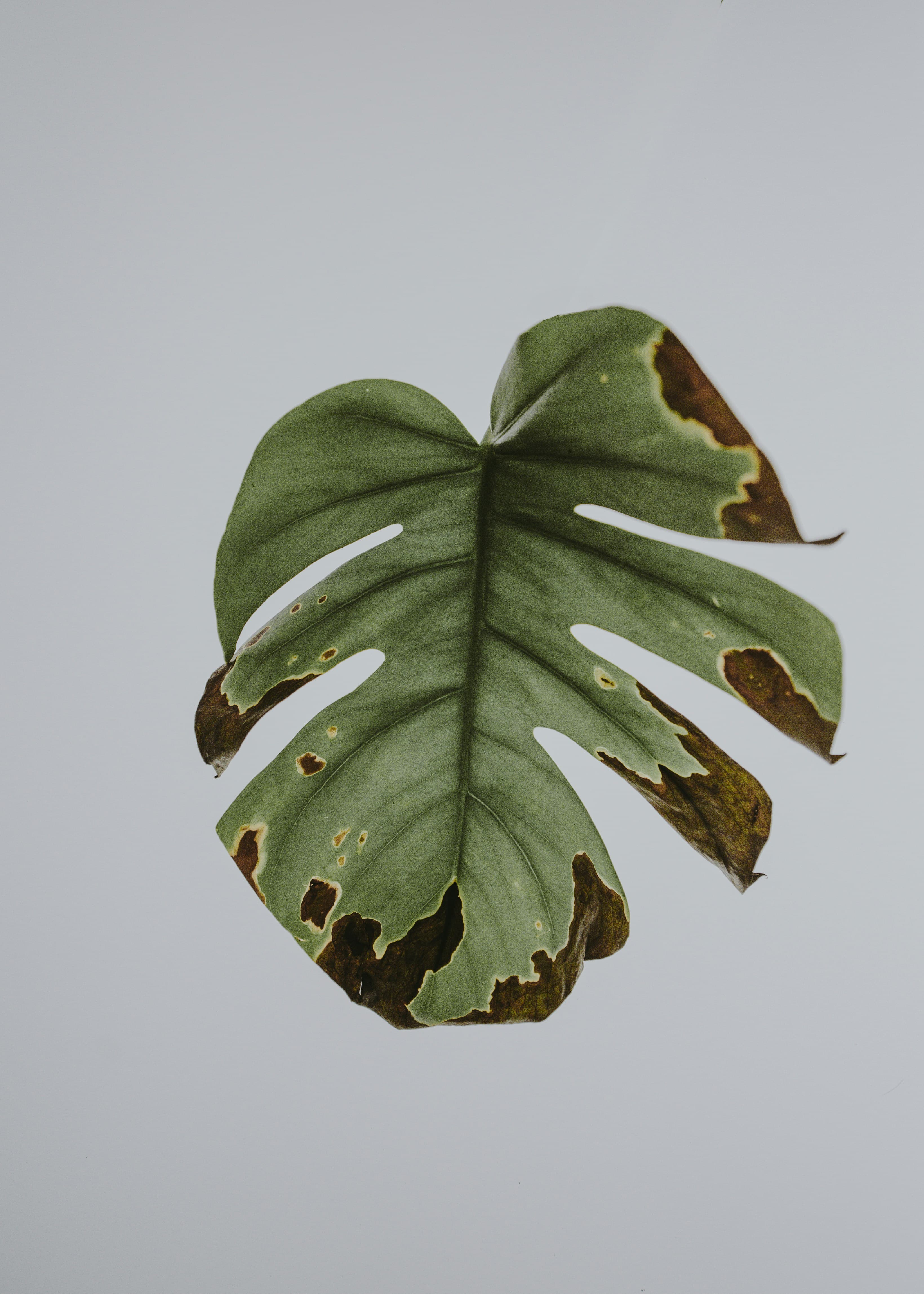
Q: Is my soil the problem?
Soil is not just dirt. It is the foundation of your plant's health. Garden soil is too heavy for pots. It compacts, blocks drainage, and can introduce pests and diseases. Potting mix is specifically formulated for containers. It is lighter, drains better, and is usually sterile.
Even good potting mix breaks down over time. Organic matter decomposes, and the mix becomes dense and waterlogged. Refresh the soil every year or two by repotting with fresh mix. For plants that stay in the same pot, top-dress with fresh mix or compost annually.
Some plants need specific soil types. Succulents and cacti need fast-draining, sandy mix. African violets need slightly acidic mix. Orchids need bark-based mix. Using the wrong soil for your plant can cause root rot, nutrient deficiencies, or stunted growth.
Q: Are pests killing my plant?
Common houseplant pests include fungus gnats, spider mites, mealybugs, aphids, and scale. Each has distinct signs. Fungus gnats fly around the soil and indicate overwatering. Spider mites leave fine webbing and tiny yellow dots on leaves. Mealybugs look like cottony masses in leaf joints. Aphids cluster on new growth and stems. Scale appears as hard, brown bumps on stems and leaves.
Most pests can be controlled with insecticidal soap, neem oil, or manual removal. Isolate infested plants to prevent spread. Check new plants carefully before bringing them home, and quarantine them for two weeks. Pests are easier to prevent than to eradicate.
Q: Is my plant getting the right nutrients?
Plants in pots rely on you for nutrients because they cannot send roots deeper to find food. Most potting mixes contain enough nutrients for the first few months. After that, you need to fertilize.
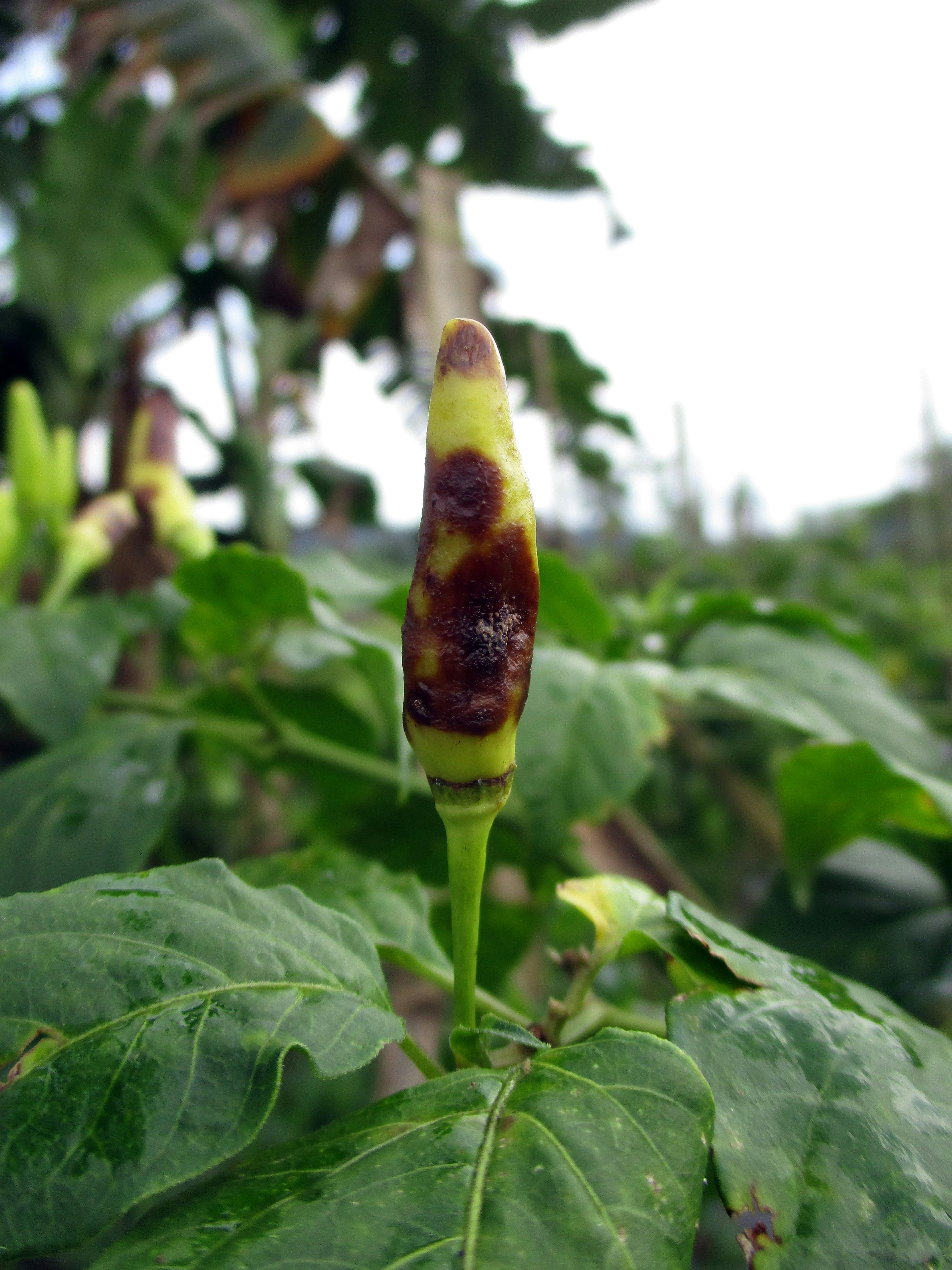
Signs of nutrient deficiency include yellowing leaves with green veins (iron deficiency), purple or reddish leaves (phosphorus deficiency), and brown leaf edges (potassium deficiency). These can look like other problems, so a soil test or a balanced fertilizer is a good first step.
Use a balanced, water-soluble fertilizer at half strength every two weeks during the growing season. Do not fertilize in winter when most plants are dormant. Over-fertilizing can burn roots and cause leaf tip browning, so less is more.
Q: Is the temperature or humidity wrong?
Most houseplants are tropical and prefer temperatures between sixty-five and seventy-five degrees Fahrenheit. They do not like drafts, heating vents, or air conditioning. Sudden temperature swings can shock plants and cause leaf drop.
Humidity matters too. Dry winter air can cause brown leaf tips, especially on tropical plants like ferns and calatheas. Group plants together to raise local humidity, or use a humidifier. Misting helps for a few minutes but does not raise humidity meaningfully.
Q: Did I just buy a plant that was already dying?
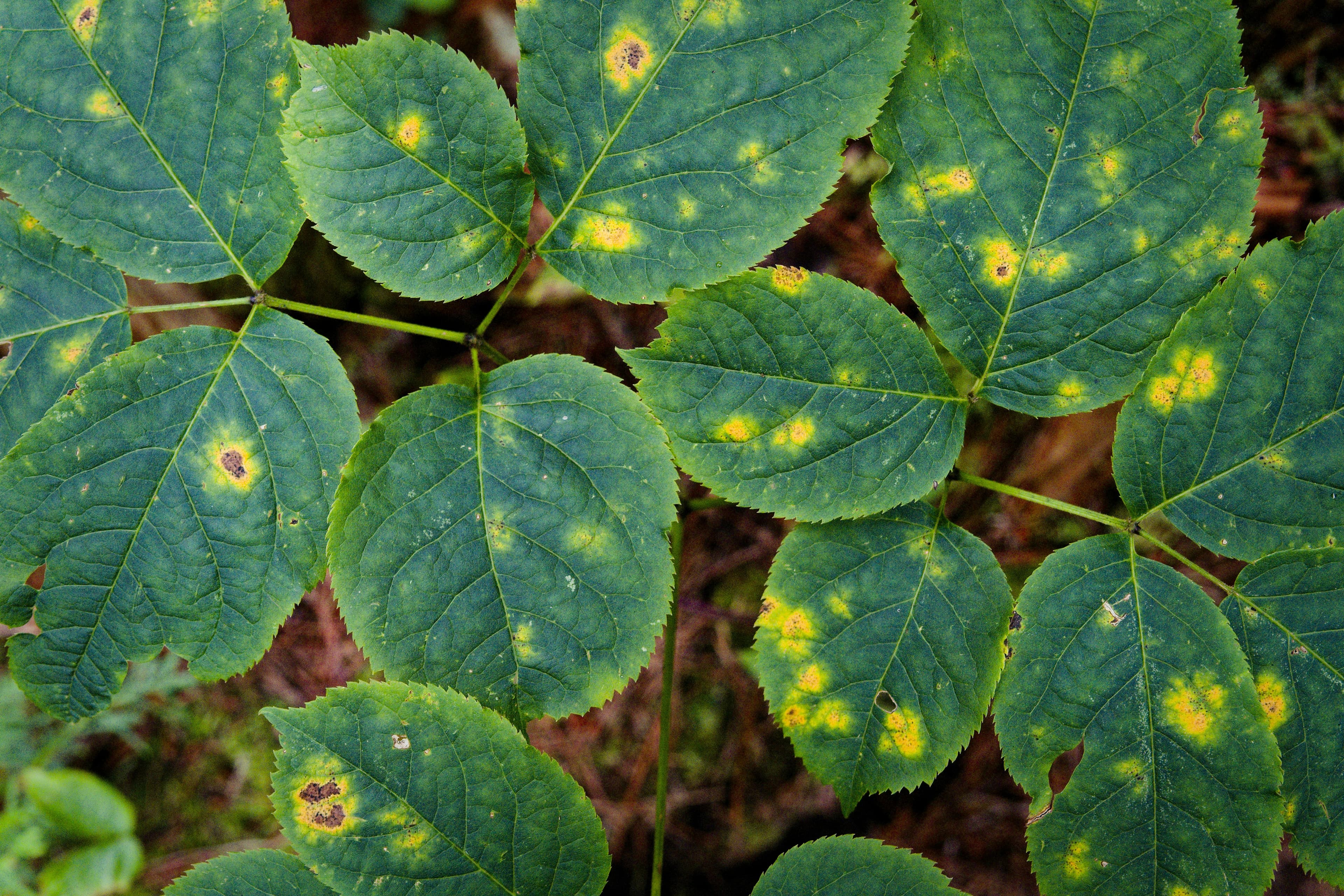
Sometimes the problem is not you. Big-box stores and supermarkets often sell plants that have been stressed by poor lighting, overwatering, or temperature extremes. Check plants carefully before buying. Look for yellow leaves, pests, mushy stems, and roots growing out of the drainage holes. Avoid plants with wilting leaves that do not perk up when you gently water them in the store.
If you suspect you bought a sick plant, isolate it from your other plants and give it ideal conditions. Do not fertilize until it recovers. Some plants bounce back quickly. Others were too far gone when you bought them, and no amount of care will save them.
Q: How do I know when to give up?
Not every plant can be saved. If the roots are completely rotted, the stem is mushy, or the plant has no leaves left, it is probably time to compost it and try again. This is not failure. It is learning. Every dead plant teaches you something about light, water, soil, or plant selection.
The best gardeners I know have killed hundreds of plants. The difference between a beginner and an expert is not a green thumb. It is paying attention, adjusting based on what you observe, and not giving up.
Buying Guide: Recovery Tools and Supplies
When rescuing struggling plants, a few tools make the difference. A moisture meter takes the guesswork out of diagnosing overwatering versus underwatering. A handheld magnifying glass helps spot early pest infestations before they spread. Neem oil, insecticidal soap, and hydrogen peroxide are the three core treatments for pests, fungus, and root rot respectively. Keep all three on hand. Fresh potting mix is essential for repotting stressed plants. Never reuse old soil, which may harbor pathogens.
Choose pots with excellent drainage for replacements. If your original pot lacked drainage holes, that was likely the primary cause of death. Invest in quality containers with multiple drainage holes and matching saucers. For plants that outgrew their pots, choose replacements two inches wider in diameter. This gives roots room to recover without overwhelming the plant with too much wet soil.
Care & Maintenance for Recovering Plants
Plants in recovery need consistent but not excessive care. Place them in bright, indirect light. Avoid direct sun, which stresses weakened foliage. Water only when the top inch of soil is dry. Do not fertilize until you see new growth. Fertilizer forces growth that a stressed root system cannot support. Maintain stable temperatures. Drafts from air conditioners, heaters, and open windows shock recovering plants.
Common Mistakes Beginners Make
The biggest mistake is giving up too soon. Many plants that look dead are merely dormant or stressed. Brown leaves do not mean dead roots. Cut back dead foliage, repot in fresh soil, and wait four to six weeks before declaring a plant beyond saving. Another error is overcorrecting. Seeing yellow leaves from overwatering, a beginner may stop watering entirely, swinging to underwatering. Make gradual adjustments.
Frequently Asked Questions
Q: Can a plant with root rot be saved? A: Sometimes. Remove the plant from soil, trim all mushy brown roots with sterile scissors, and repot in fresh dry mix. Water sparingly until new growth appears.
Q: Why did my plant die after I repotted it? A: Repotting shock is real. Plants need time to adjust to new soil and space. Repot during active growth seasons, not dormancy, and avoid disturbing the root ball unnecessarily.
Q: How do I tell if a plant is dead or dormant? A: Scratch the bark or stem with your fingernail. Green tissue underneath means the plant is alive. Brown, dry tissue throughout means it is dead.
Q: Should I fertilize a dying plant? A: No. Fertilizer forces growth that stressed roots cannot support. Wait for new healthy growth before resuming fertilization at half strength.
Prevention Is Easier Than Cure
The best way to save plants is to prevent problems before they start. Choose the right plant for your light conditions. Use pots with drainage holes and quality potting mix. Water based on soil moisture, not the calendar. Inspect plants weekly for pests and disease. Quarantine new plants for two weeks before placing them near existing ones. These simple habits prevent ninety percent of container plant deaths.
James Brioche
Columnist