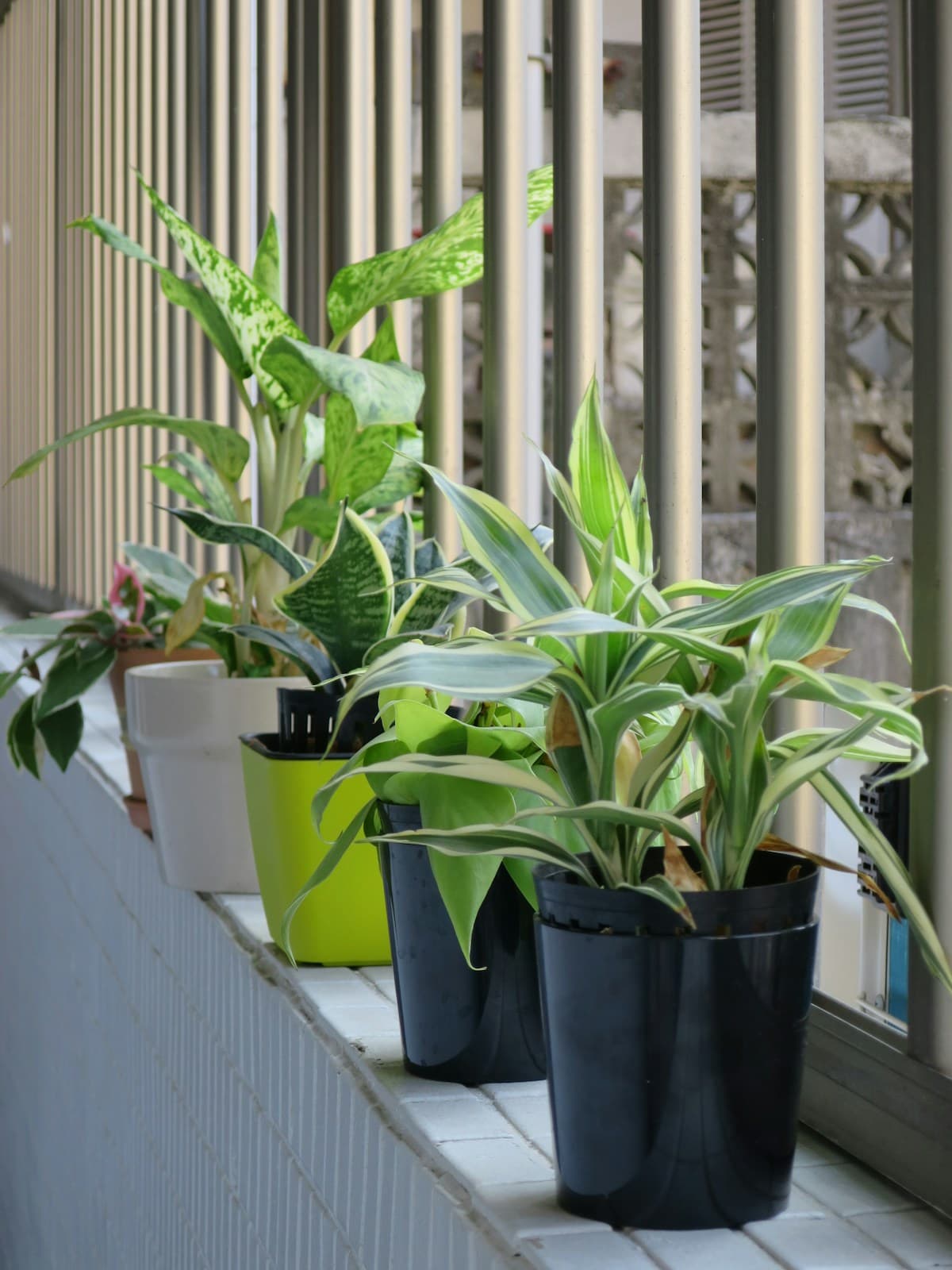
I learned this the hard way when I hauled a gorgeous fourteen-inch ceramic planter up three flights of stairs to my first apartment balcony. It weighed something like twenty-five pounds empty. By the time I added potting mix, a small Japanese maple, and a summer's worth of water, the thing was an immovable beast. The balcony railing groaned. My downstairs neighbor started asking questions. And when fall came and I needed to rearrange everything for winter, I realized I had essentially installed a permanent garden monument I could not lift.
That planter now lives in my mother's backyard, where it looks lovely and does not threaten structural integrity. The lesson stuck with me: the right planter is not just the one that looks pretty in the store. It is the one that fits your space, your plants, and your actual life. Here is what I have figured out after ten years of getting it wrong, getting it right, and helping friends avoid my mistakes.
Materials: What They Are Actually Made Of
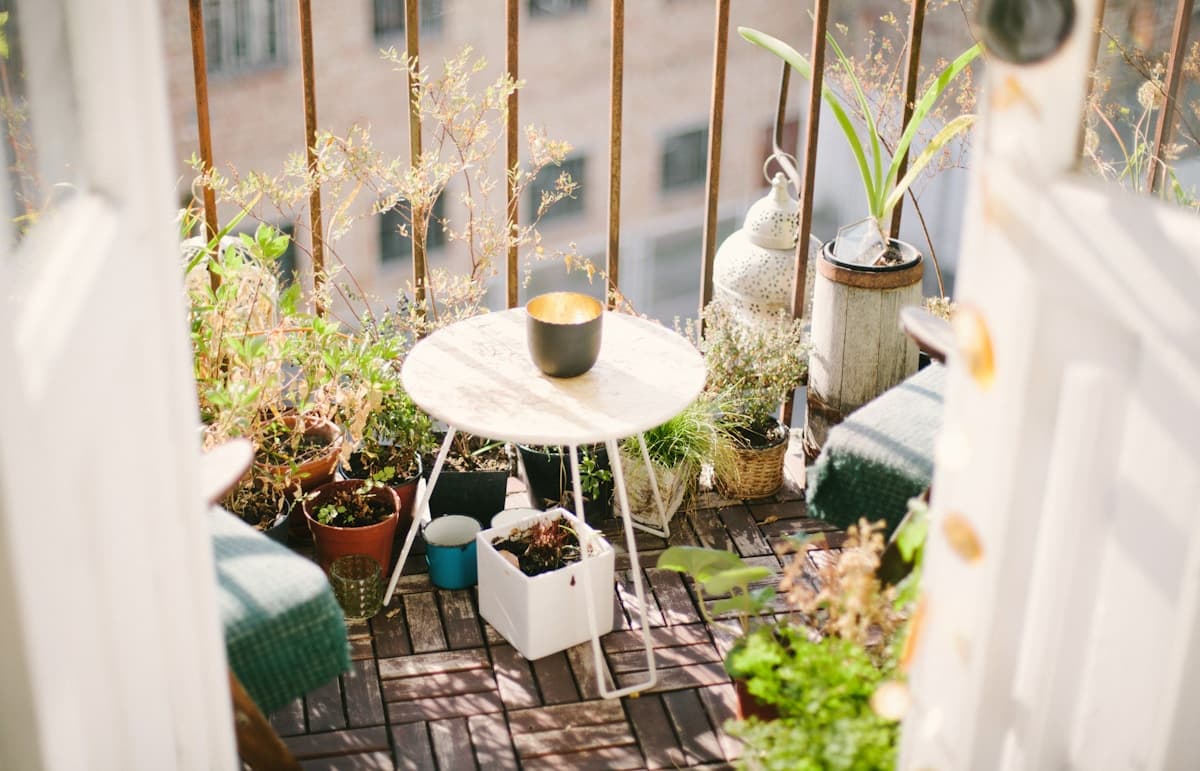
Walk into any garden center and you will face a wall of materials: terracotta, glazed ceramic, plastic, resin, fiberglass, metal, wood, fabric grow bags, and concrete. Each has genuine strengths and real weaknesses, and the marketing rarely tells the full story.
Terracotta is the classic for a reason. It is porous, which means it breathes. Roots get oxygen, and excess moisture wicks away through the walls. For Mediterranean herbs like rosemary, thyme, and lavender, terracotta is genuinely the best choice. But here is the thing nobody puts on the tag: in freezing climates, absorbed water expands and cracks the pot. After two winters outside, your beautiful Italian terracotta can look like it survived a minor earthquake. If you live anywhere with hard freezes, either bring terracotta indoors for winter or accept that it has a limited lifespan.
Plastic has a reputation problem. Decades of cheap, brittle nursery pots created a lasting prejudice. Modern high-density polyethylene and fiberglass-reinforced resin are entirely different animals. They are UV-stabilized, freeze-thaw resistant, and surprisingly handsome. The best ones mimic stone, concrete, or weathered terracotta so convincingly that you have to tap them to know the difference. They weigh a fraction of what ceramic does, which matters enormously on balconies, decks, and anywhere you might need to move them. The downside is that non-porous plastic does not breathe, so you have to be more careful about overwatering.
Metal planters — zinc, copper, galvanized steel — look incredible in modern and industrial spaces. They heat up in direct sun, though, which can cook roots in summer. They also conduct cold, making them rough on plants in winter. If you love the look, use them as cachepots: drop a plastic nursery pot inside the metal shell so the soil never touches the metal directly.
Concrete is beautiful, permanent, and absurdly heavy. A sixteen-inch concrete bowl can weigh eighty pounds empty. Unless you have ground-level space, a strong back, and no intention of ever moving it, concrete is probably not the practical choice. Wood is warm and natural but rots eventually, even with treatment. Cedar and redwood last longer than pine, but expect five to seven years before replacement. Fabric grow bags are the unsung heroes for vegetables and annuals. They are cheap, lightweight, and the fabric aerates roots so effectively that plants often outgrow their soil-bound counterparts. They are not pretty, but they work.
Size, Depth, and Root Room
The most common mistake I see beginners make is choosing a planter based on how the mature plant will look, not on what the roots need right now. A tomato seedling in a five-gallon pot looks ridiculous for the first month. But by July, those roots will have filled every inch of space, and the plant will thank you for the room.
Here is the honest sizing guide I wish someone had handed me when I started. For leafy greens and herbs, six to eight inches of soil depth is enough. Lettuce, spinach, arugula, basil, and parsley all have shallow root systems. For bush tomatoes, peppers, and eggplant, you want twelve to fourteen inches of depth and at least twelve inches of width. For determinate tomatoes, winter squash, or any perennial shrub, go sixteen inches deep or more.
Width matters almost as much as depth. A tall, narrow pot looks elegant but creates a root ball that is prone to drying out unevenly and tipping over in wind. Wider pots hold moisture more consistently and give roots lateral room to spread. For balcony railings, look for rectangular boxes at least eight inches wide — anything narrower dries out too fast and offers too little root mass to stabilize the plant.
The other sizing mistake is going too big too soon. A tiny seedling in a massive pot is vulnerable to overwatering because the roots cannot absorb moisture fast enough from all that soil. The soil stays damp, roots rot, and the plant dies. Match the pot to the plant's current root ball, then upgrade as the plant grows. A good rule of thumb: the new pot should be roughly two inches wider in diameter than the current one.
Drainage and Balcony Reality
If I could tattoo one piece of gardening advice on my forehead, it would be this: drainage holes are not optional. Every single container needs a way for excess water to escape. Without it, water sits at the bottom of the pot, the soil becomes waterlogged, and roots suffocate. Root rot is not a plant disease in the traditional sense — it is drowning, and it is preventable.
The myth about putting rocks or gravel in the bottom of a pot to improve drainage has been thoroughly debunked by soil scientists, yet it persists. Gravel actually creates a perched water table — a layer of saturated soil right above the gravel that stays wetter than the rest of the pot. If your pot has a drainage hole, you do not need gravel. If it does not have a drainage hole, no amount of gravel will save you. Either drill a hole or use the pot as a decorative outer shell with a nursery pot inside.
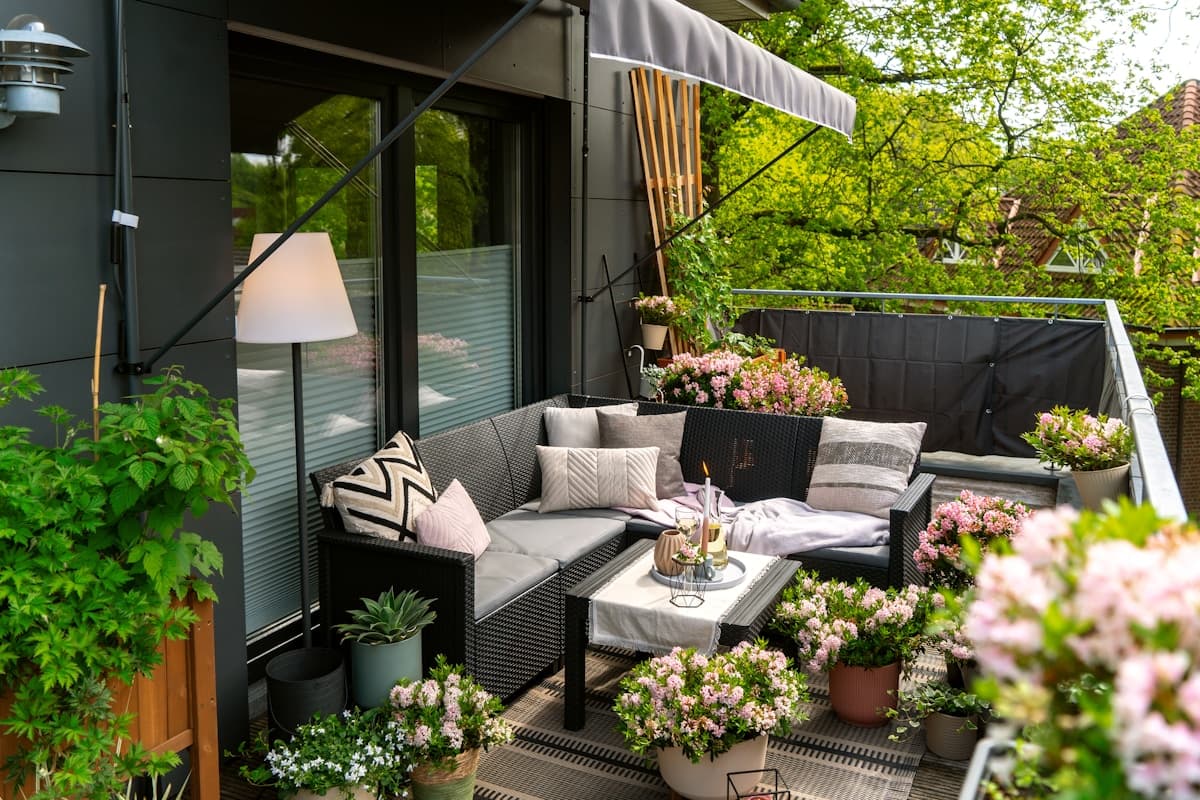
On balconies and decks, drainage becomes a social issue as well as a horticultural one. Water pouring off your fourth-floor balcony onto your neighbor's laundry is not a great way to build community. Look for planters with built-in reservoirs or self-watering designs that capture excess moisture in a sealed chamber. Alternatively, use saucers and empty them after watering. Just do not let standing water sit against wood or composite decking — it stains and rots surfaces over time.
Weight is the other balcony consideration that indoor gardening guides rarely address. A saturated pot weighs roughly twice what it weighs dry. A large ceramic planter can easily top a hundred pounds when fully watered. Before you buy, check your balcony's load capacity. Most residential balconies are rated for fifty to a hundred pounds per square foot, but older buildings can be less. When in doubt, go with resin, fiberglass, or fabric — your back and your building engineer will both thank you.
Wind is the final factor. Tall, top-heavy planters on exposed balconies are accidents waiting to happen. Wide-based, slightly tapered shapes have a lower center of gravity and handle gusts better. If you are gardening on an upper floor, secure large pots to railings with adjustable brackets, or cluster them against a windbreak wall where they shield each other.
At the end of the day, the right planter is the one you will actually use. It should be light enough to move, handsome enough to keep on display, and functional enough that watering does not become a chore. Buy one that fits your space, your climate, and your body — not just your aesthetic. Your plants will not care how expensive the pot was, but they will care deeply about whether it drains, breathes, and gives them room to grow.
Buying Guide: What to Look For
When shopping for planters, start with drainage. A pot without drainage holes is a swimming pool waiting to happen. Even decorative cachepots should have an inner nursery pot that lifts the plant above standing water. Check the bottom of every planter before you buy. If it lacks holes, plan to drill them yourself or use it strictly as an outer shell.
Material matters for weight and climate. Terracotta breathes but cracks in freezing weather. Plastic is lightweight and cheap but fades in direct sun. Ceramic is beautiful and heavy, making it stable but difficult to move. Fiberglass and resin offer the best of both worlds: light enough to lift, durable enough to last, and attractive enough to display. Expect to pay $15 to $40 for quality resin, $30 to $80 for glazed ceramic, and $50 to $150 for premium fiberglass.
Care & Maintenance
Clean planters at the start of every growing season. Scrub terracotta with a stiff brush and diluted vinegar to remove salt buildup. Wash plastic and ceramic with soapy water and rinse thoroughly. Check for cracks, especially after winter. A cracked planter can split apart when saturated with water, spilling soil and damaging roots. Store empty terracotta indoors in cold climates to prevent freeze-thaw damage.
Common Mistakes Beginners Make
The most common mistake is choosing style over function. A pot that matches your couch but lacks drainage will kill your plant. Another error is buying planters that are too small. Roots need room to expand, and cramped roots lead to stunted growth and frequent watering. Beginners also forget to consider weight. A large ceramic planter on a balcony can weigh over a hundred pounds when filled with wet soil, creating a safety hazard.
Frequently Asked Questions
Q: How do I know what size planter to buy? A: Choose a pot that is one to two inches wider in diameter than the current root ball for small plants, and two to four inches wider for larger specimens.
Q: Can I leave terracotta outside in winter? A: Only in mild climates. In zones where temperatures drop below freezing, terracotta absorbs moisture and cracks when ice expands. Move it indoors or use frost-resistant materials.
Q: Are expensive planters worth the cost? A: Premium planters often last decades, while cheap plastic may need replacement every two years. Do the math on cost per year before deciding.
Q: Should I put rocks in the bottom for drainage? A: No. Research shows rocks in the bottom actually raise the water table and reduce drainage. Use quality potting mix and ensure the pot has proper drainage holes instead.
Regional Considerations
In hot, dry climates like Arizona and Texas, dark-colored planters absorb heat and can cook roots. Choose light colors or materials that insulate. In humid southeastern states, terracotta helps wick excess moisture away from roots. In the Pacific Northwest, where rain is frequent, excellent drainage is non-negotiable. Elevate pots on feet to prevent waterlogging.
James Brioche
Columnist