The Beginner Container Garden Mistakes I Made (So You Don't Have To)
I have killed plants in every way imaginable. I have drowned them with love, baked them in the sun, starved them of nutrients, and suffocated their roots in pots that looked beautiful but functioned like prisons. My first four container gardens were a slow-motion disaster, one mistake compounding into another until by August I was staring at a balcony full of yellow leaves, empty stems, and one very smelly compost bucket. I was embarrassed. I was frustrated. And I was convinced I did not have a green thumb.
I was wrong. I did not need a green thumb. I needed accurate information. Gardening is not magic. It is a set of skills that anyone can learn, and the fastest way to learn is to study the mistakes that trip up almost every beginner. Here are the eight mistakes I made, explained honestly, so you can skip the heartache and go straight to the harvest.
Mistake One: Using Garden Soil in Pots
My first year, I thought soil was soil. I grabbed a bag of cheap topsoil from the hardware store, filled my pots, and planted. Within two weeks, the soil had compacted into concrete. Water pooled on top instead of soaking in. When I finally dumped the pots in frustration, I found dense, airless clumps with almost no root penetration.
Garden soil is designed for the ground, where earthworms, microbes, and drainage over large areas keep it loose. In a pot, it turns into a brick. Potting mix is the only soil that belongs in containers. It is formulated with peat, compost, and perlite to stay fluffy and drain well. It costs more than topsoil, but it is the difference between a living garden and a planter full of regret.
Mistake Two: Pots Without Drainage Holes
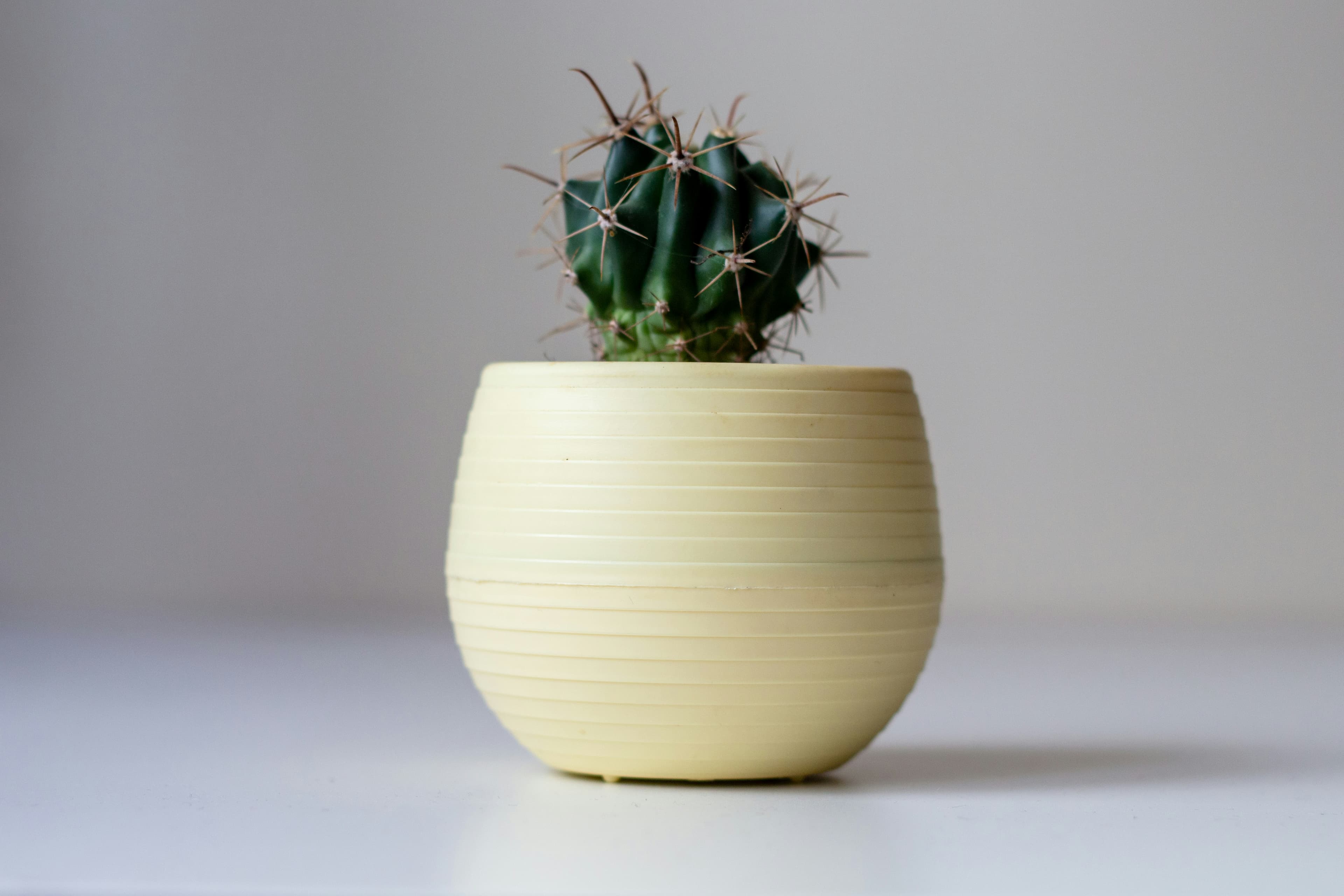
I bought three gorgeous ceramic pots from a home decor store. They had no drainage holes because, I assume, the designer thought wet soil leaking onto furniture was unsightly. I drilled holes myself in two of them. The third, a thick glazed pot, cracked when I tried to drill it. I planted a rosemary in it anyway, using a layer of gravel at the bottom because I had read that gravel helps drainage.
It does not. Gravel in the bottom of a pot creates a perched water table, a layer of saturated soil that sits above the gravel and rots roots. My rosemary turned yellow, then brown, then died. Now I only buy pots with drainage holes, and if I fall in love with a pot that lacks them, I use it as a decorative outer cachepot with a plastic nursery pot inside.
Mistake Three: Overwatering Everything
I watered my plants every morning because I thought that was what good plant parents did. I did not check if the soil was dry. I did not consider the weather. I just poured water into every pot like a ritual. My lettuce turned to slime. My basil developed black spots. My pepper plants dropped all their flowers.
Overwatering is not about the amount of water in one session. It is about frequency. Roots need oxygen, and waterlogged soil contains none. The correct approach is to water thoroughly when the top inch of soil is dry, then leave the plant alone until it dries again. Some plants need daily water in summer heat. Others need water once a week. Your finger is the best tool you own for telling the difference.
Mistake Four: Ignoring the Sun Requirements
I put my tomato plant on my kitchen counter because it looked nice there. The kitchen had one small north-facing window. The tomato grew tall and thin, reaching desperately for light, and never produced a single flower. It was etiolated, a botanical term for a plant that is starving for photons.
Tomatoes need six to eight hours of direct sun. So do peppers, cucumbers, and most beans. Leafy greens can manage with four. Herbs fall somewhere in between. Before you buy any plant, read the tag or search its light needs, and be brutally honest about whether your space can provide it. A plant in the wrong light is a plant waiting to fail.
Mistake Five: Planting Too Early in the Season
Spring fever is real. The first warm day in March, I rush outside with seedlings and seeds, convinced that summer has arrived. Three years in a row, a late frost killed my tomatoes. One year, a freak April snowstorm destroyed an entire batch of lettuce and radishes I had direct-sowed.
Every region has a last frost date, and you can find yours with a quick online search. Do not plant frost-sensitive crops outdoors until two weeks after that date. If you are impatient, start seeds indoors or buy nursery starts and keep them inside until the weather stabilizes. Nature does not care how excited you are.
Mistake Six: Forgetting to Fertilize
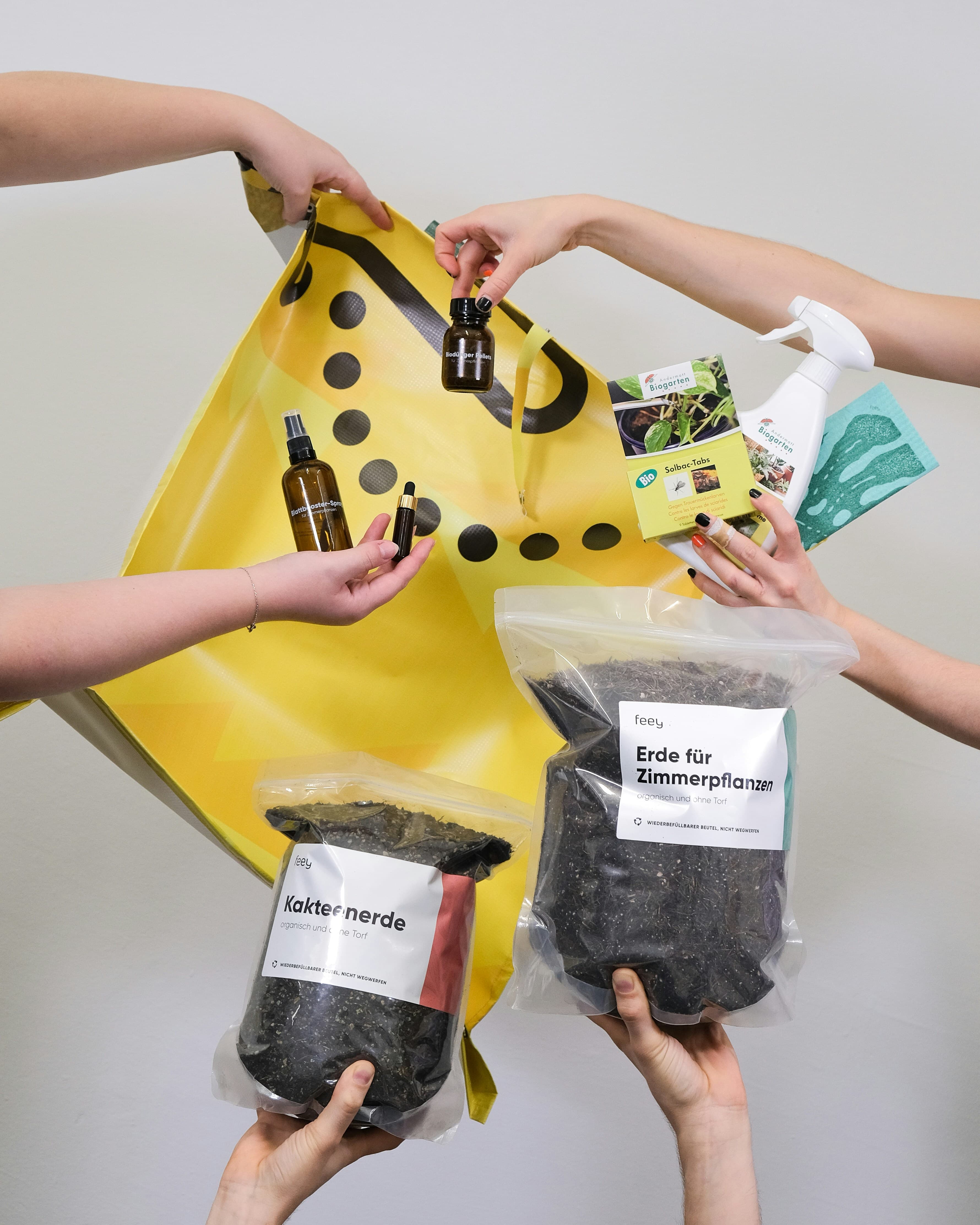
My second year, I used fresh potting mix and assumed it would feed my plants all summer. It did not. By July, my tomatoes were pale and spindly. My peppers had stopped setting fruit. The soil was exhausted, and the plants were hungry.
Container plants have no access to the wider nutrient web of garden soil. They rely entirely on what is in their pot, and even rich potting mix depletes within four to six weeks. A half-strength liquid fertilizer every two weeks starting in week five keeps plants fed without burning them. Skip the fertilizer, and your garden will run out of gas right when it should be producing.
Mistake Seven: Crowding Too Many Plants Together
A fourteen-inch pot looks enormous when you are planting tiny seedlings. It looks tiny when those seedlings grow into mature plants. I once put four tomato plants in a single large pot because they looked so small and lonely at planting time. By August, they were a tangled mess of competing roots, yellowing lower leaves, and almost no fruit.
Plants need space for air circulation and root development. A single tomato needs at least a fourteen-inch pot to itself. Two bush beans can share a twelve-inch pot. Four lettuce plants fit comfortably in a ten-inch pot because lettuce is shallow-rooted and compact. Read the spacing recommendations and trust them, even if the newly planted pot looks empty.
Mistake Eight: Giving Up Too Soon
The hardest mistake to admit is that I quit. After my first failed season, I did not try again for two years. I told myself I was not a plant person. I let embarrassment stop me from learning. That was the real failure, not the dead plants.
Every gardener kills plants. It is part of the process. The difference between someone with a green thumb and someone without is simply that the green thumb person kept trying after the failures. They treated each dead plant as data, not evidence of incompetence. I wish someone had told me that sooner.
Container gardening is forgiving because the stakes are low. A dead plant in a pot costs a few dollars and a few weeks. You can start again immediately. You can try a different spot, a different variety, a different watering rhythm. The plants do not judge you. They just respond to conditions. Adjust the conditions, and eventually, the plants thrive.
Next guide: Terracotta vs. Plastic vs. Ceramic Planters: A Real Gardener's Comparison
Buying Guide: Avoiding Mistake-Prone Products
Some products practically guarantee failure. Avoid pots without drainage holes, even if they are beautiful. Do not buy seed starting kits with tiny cells unless you plan to transplant immediately. Cheap potting mix that lists only "forest products" as an ingredient is usually shredded wood chips that rob nitrogen from your plants. Invest in quality from the start. A $20 pot with drainage will outperform a $5 decorative pot every time.
Care & Maintenance
Preventing mistakes is easier than fixing them. Check soil moisture before watering. Stick your finger one inch into the soil. If it feels damp, wait. Remove spent flowers and dead leaves promptly. They attract pests and harbor disease. Keep a garden journal. Note what you planted, when, and how it performed. This simple habit turns mistakes into learning and prevents you from repeating them next season.
Common Mistakes Beginners Make
Overwatering kills more container plants than any pest. Roots need oxygen, and soggy soil suffocates them. Wait until the top inch of soil dries before watering again. Underwatering is the second most common killer. Containers dry out faster than garden beds, especially in summer. Check daily. Using the wrong soil is third. Garden soil in containers compacts and prevents drainage. Always use bagged potting mix.
Frequently Asked Questions
Q: Why are my container plant leaves turning yellow? A: Usually overwatering, underwatering, or nutrient deficiency. Check soil moisture first, then consider whether you have fertilized recently.
Q: How do I know if I am overwatering? A: Signs include yellow leaves, wilting despite wet soil, mold on the soil surface, and a foul smell from the drainage holes.
Q: Can I fix a plant that has been overwatered? A: Yes, if caught early. Stop watering, improve drainage, and let the soil dry out. Remove any mushy roots and repot in fresh, dry mix.
Q: What is the most common pest in container gardens? A: Fungus gnats, aphids, and spider mites. Fungus gnats indicate overwatering. Aphids cluster on new growth. Spider mites create fine webbing on undersides of leaves.
Seasonal Timing Mistakes
Planting too early is a classic error. Tender plants put outside before the last frost date often die. Planting too late reduces your harvest window. Starting seeds indoors too early produces leggy, weak seedlings. Starting too late means your plants mature in the heat of summer when pests are worst. Use your local extension office's planting calendar as your guide, not the seed packet's generic recommendations.
James Brioche
Columnist