Start a Herb Container Garden This Weekend (Even If You've Never Grown Anything)
I killed my first plant when I was eight. It was a bean sprout in a paper cup, part of a school science project. I watered it faithfully every single day, sometimes twice, because I loved it so much. By Friday, it was a moldy, yellowed mess, and I cried in the car on the way home. Thirty years later, I still remember that bean sprout, but I also know that my mistake was not lack of love. It was lack of information. I gave that bean everything it did not need and none of what it actually wanted.
Starting a herb container garden is the perfect entry point into gardening. Herbs are forgiving, fast-growing, and useful. You do not need a yard, expensive tools, or months of preparation. You need one sunny spot, a few pots, some soil, and a Saturday afternoon. By Sunday evening, you can have living plants in your home. By midsummer, you can stop buying dried basil in jars. By fall, you will wonder why you ever thought gardening was hard.
What You Actually Need to Buy
Beginners often overbuy. I have seen new gardeners walk out of garden centers with two hundred dollars of ceramic pots, specialty soil, designer tools, and five varieties of fertilizer. You do not need any of that to start. Here is the honest shopping list for a basic three-herb container garden.
Three pots, six to eight inches in diameter, with drainage holes. Plastic is fine. Terracotta is prettier but dries faster. Do not buy pots without holes, no matter how nice they look. You will regret it when your herbs drown.
One bag of quality potting mix. Not garden soil, not topsoil, not whatever is on sale from the construction yard. Potting mix. It is formulated for containers and drains properly. Garden soil turns into concrete in pots.
Three herb plants from a nursery. Not seeds, not yet. Seeds are cheap and satisfying, but they add weeks of uncertainty. A healthy four-inch nursery start gives you immediate success and builds confidence. Buy basil, mint, and parsley for your first garden. They are nearly impossible to kill if you give them sun and water.
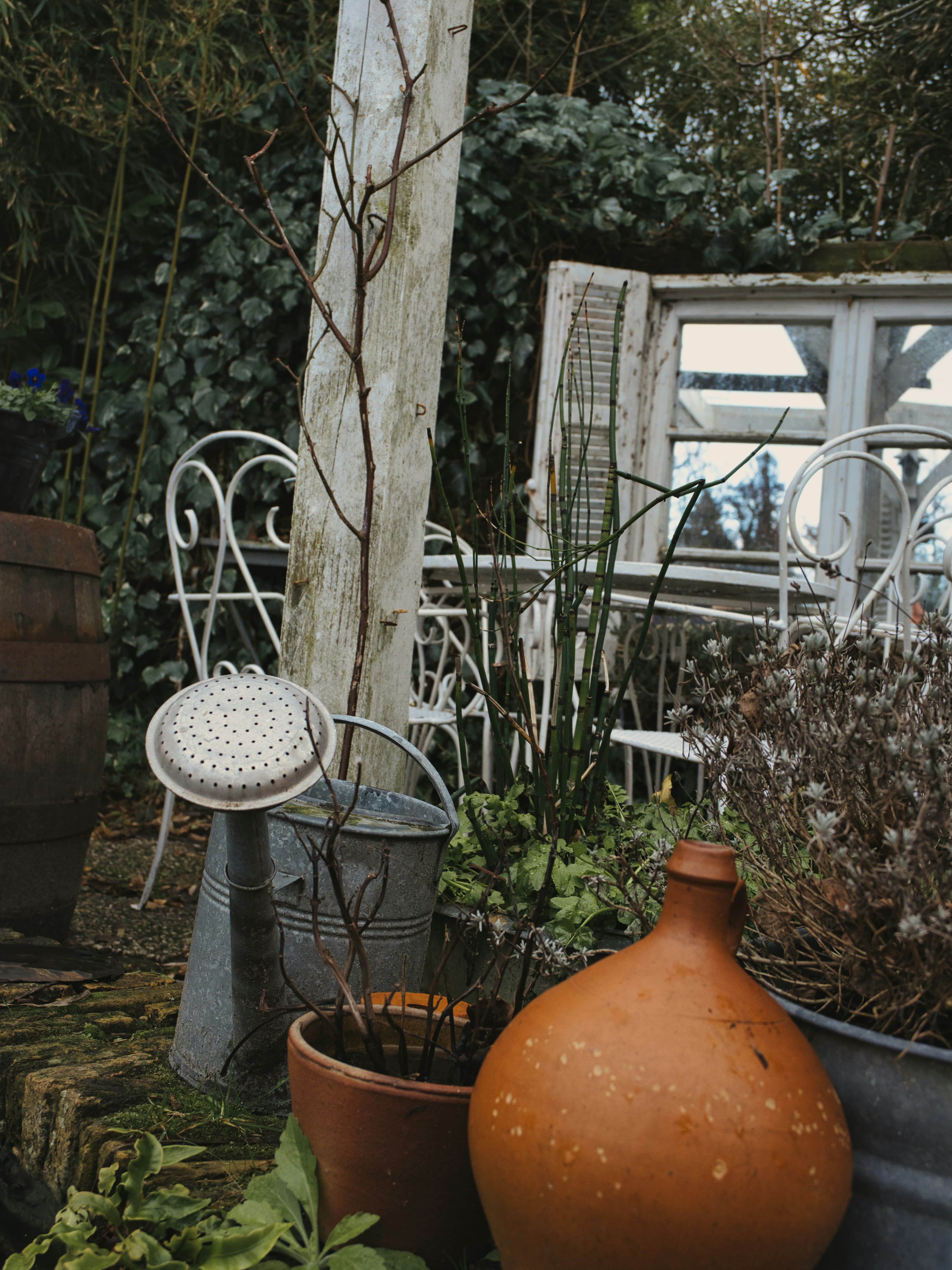
A small watering can or even an old yogurt container with holes poked in the bottom. You do not need a forty-dollar copper can. You need something that pours water slowly without blasting soil everywhere.
That is it. Total cost, thirty to forty-five dollars depending on your pot choices. Everything else is optional until you know you enjoy this.
Setting Up in One Afternoon
Find your sunniest spot. Most herbs want six hours of direct sunlight minimum. A south-facing windowsill, a balcony railing, or a bright kitchen counter near a window all work. If you only have four hours of sun, stick with parsley and mint, which tolerate partial shade better than basil. Basil without enough sun gets leggy and pale within weeks.
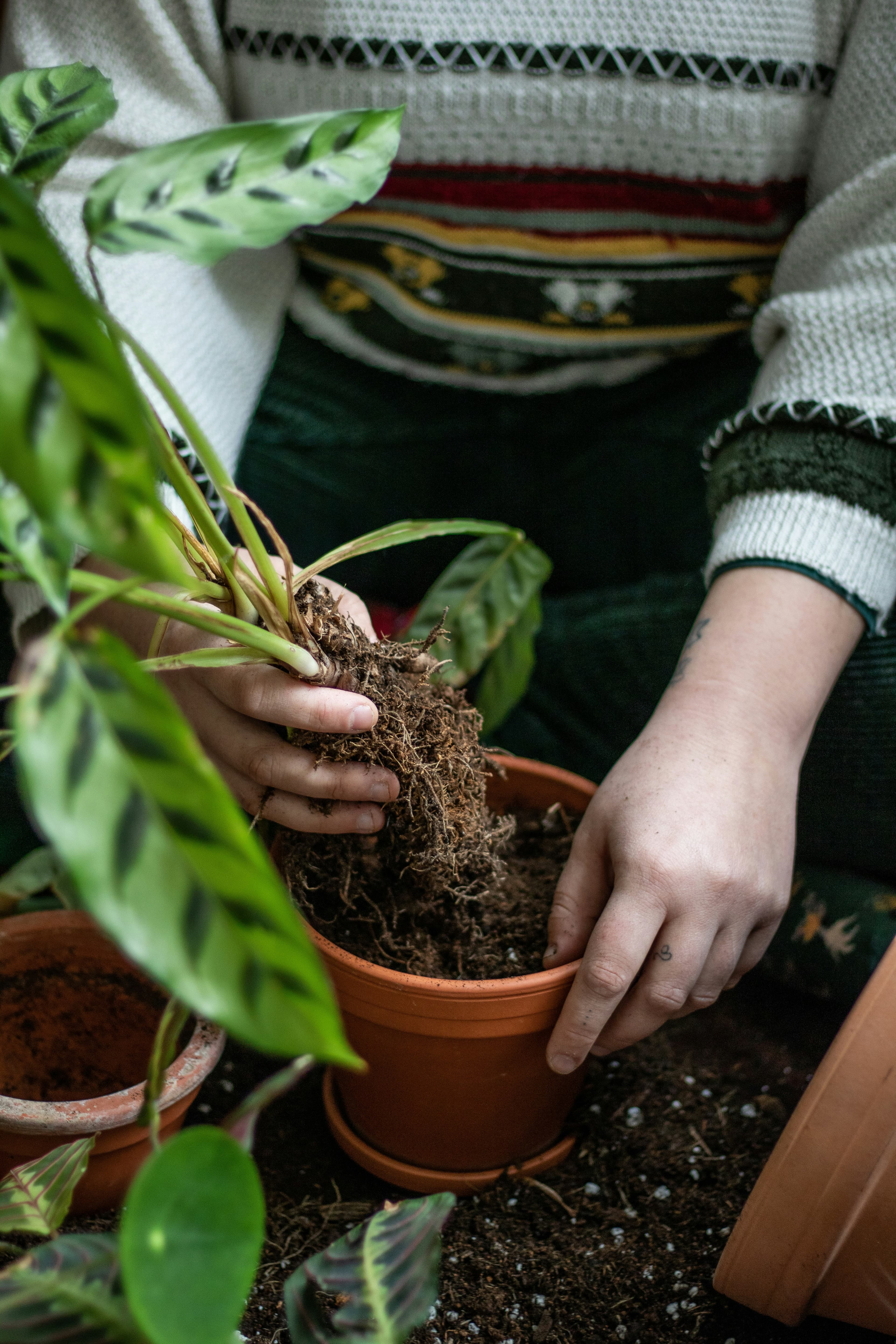
Fill each pot with potting mix to within an inch of the rim. Gently remove each herb from its nursery pot, loosen the roots slightly with your fingers if they look circling and tight, and plant it at the same depth it was growing before. Firm the soil around the base, water until it drains from the bottom, and place the pot in its sunny home. Do not skip the root loosening step. Circling roots stay circling, and they strangle the plant later.
Label your pots if you want, though basil smells unmistakably like basil and mint smells like mint. I use popsicle sticks or old takeout chopsticks written on with a permanent marker. Fancy plant markers are nice, but they do not make herbs grow faster.
The First Two Weeks: Keeping Them Alive
The first fourteen days are critical because the plants are adjusting to their new home. Water when the top inch of soil feels dry. In summer, this might be daily. In spring or fall, every two to three days. Do not water on a schedule. Stick your finger in the soil and check. I check mine every morning with coffee in my other hand. It takes ten seconds.

If your basil starts to look pale or leggy, it needs more sun. Move it closer to the window or to a brighter spot. If your mint starts to droop, it probably needs water. Mint is dramatic and recovers quickly from thirst. If the leaves on any herb turn yellow, you are likely overwatering. Let the soil dry more between waterings. Yellow leaves from overwatering are the number one beginner herb killer.
Harvest lightly after the first two weeks, once the plants have settled in. Pinch off the top few leaves of basil just above a leaf pair, and it will branch and bush out. Cut mint stems down to a leaf node, and it will regrow bushier. Never harvest more than a third of the plant at once. Think of it as a haircut, not a haircut that goes wrong and takes months to fix.
Expanding Your Herb Garden
Once your first three herbs are thriving, which they will be if you followed these steps, the natural urge is to add more. Go slowly. I recommend adding one new herb per month so you can learn its specific needs without overwhelming yourself. Rosemary and thyme like drier soil than basil. Cilantro bolts in heat and needs succession planting. Chives are nearly indestructible but grow slowly. Oregano spreads aggressively and needs its own pot.
A single successful growing season with herbs teaches you more about plants than any book or video. You learn to read soil moisture, recognize sun stress, and understand growth cycles. Those skills transfer to vegetables, flowers, and houseplants. My bean sprout died, but it started something. Your first herb garden might do the same. Start this weekend. The basil you harvest in August will taste like victory.
What to Expect in Month Two and Three
By week six, your herbs should be established and growing steadily. Basil might need pinching every ten days to prevent flowering. Mint will try to escape its pot through the drainage holes. Parsley will grow slowly but steadily, building a deep root system you cannot see. Do not panic if growth seems to pause for a week. Plants often put energy into roots before shoots, and the burst of growth that follows is worth the wait.
Next guide: How to Pick the Right Plants for Your Very First Container Garden
The hardest part of any new hobby is starting. Herbs make that first step easy because they grow fast, smell wonderful, and forgive the inevitable beginner mistakes. Even if you forget to water for two days or give them slightly too much sun, they bounce back with surprising resilience. That resilience builds confidence, and confidence is what turns a weekend experiment into a lifelong passion for growing things.
Once you taste herbs you grew yourself, store-bought will never compare.
Buying Guide: Herb Garden Kits and Containers
A good herb container is six to eight inches deep for shallow-rooted herbs like basil and cilantro, and ten to twelve inches for deeper-rooted rosemary and parsley. Terracotta is ideal for herbs because it wicks away excess moisture. Self-watering containers work well for busy gardeners but require monitoring to prevent root rot. Expect to spend $5 to $15 per pot for standard terracotta, or $30 to $60 for a complete herb garden kit with multiple compartments and a drainage tray.
Care & Maintenance
Herbs in containers dry out faster than those in garden beds. Check soil moisture daily in summer. Harvest regularly to promote bushy growth. Remove flower buds promptly from basil, cilantro, and parsley because flowering signals the plant to stop producing flavorful leaves. Feed herbs with a half-strength liquid fertilizer every three weeks during the growing season. In winter, move perennial herbs like rosemary and thyme to a sunny windowsill or protect outdoor pots with insulating wrap.
Common Mistakes Beginners Make
The biggest mistake is letting herbs flower. Once basil bolts, the leaves turn bitter and the plant stops producing. Harvest from the top down to delay flowering. Another error is overwatering. Herbs prefer slightly dry conditions, and soggy soil causes root rot. Beginners also plant too many seeds in one container. Overcrowded seedlings compete for light and nutrients, resulting in weak, spindly plants. Thin seedlings to one per pot or six inches apart.
Frequently Asked Questions
Q: How often should I water my herb container garden? A: Most herbs need water when the top inch of soil feels dry. In hot weather, this may be daily. In cooler weather, every two to three days is usually sufficient.
Q: Can I grow herbs indoors year-round? A: Yes, with adequate light. Most herbs need six to eight hours of direct sunlight daily. A south-facing window or grow light is essential for indoor success.
Q: Why are my herb leaves turning yellow? A: Yellow leaves usually indicate overwatering or nutrient deficiency. Let the soil dry between waterings and apply a balanced fertilizer at half strength.
Q: When is the best time to harvest herbs? A: Harvest in the morning after dew has dried but before the heat of the day. The essential oils that give herbs their flavor are most concentrated at this time.
Practical Tips for Year-Round Herbs
Perennial herbs like rosemary, thyme, and oregano can survive winter outdoors in zones seven and warmer. In colder zones, transplant them into pots in fall and bring them indoors. Annual herbs like basil and cilantro are best replanted fresh each spring. For a continuous supply, practice succession planting by sowing new seeds every three weeks during the growing season.
James Brioche
Columnist