The Container Garden Watering Guide: How Much Is Actually Enough?
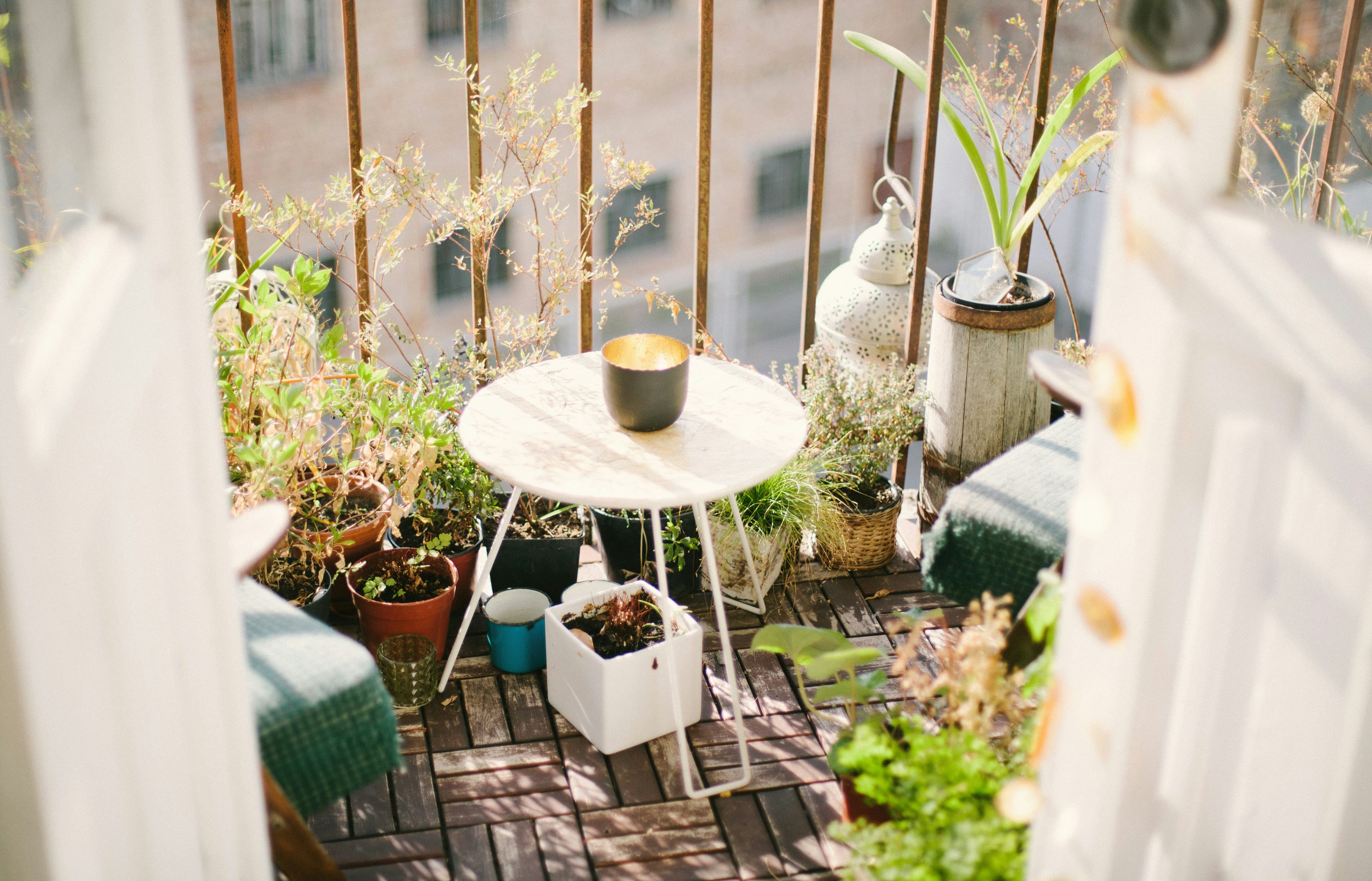
I used to water my container plants every morning at seven o'clock, rain or shine, summer or winter. It was part of my routine, like making coffee or checking email. I thought consistency was the key to healthy plants, and I took pride in never missing a day. Then I noticed my thyme turning yellow and dropping leaves despite my religious watering schedule. My rosemary, which I loved, developed brown stems and started smelling musty instead of fragrant. I was not underfeeding them. I was not giving them too little sun. I was drowning them.
Overwatering is the single most common killer of container plants, far more deadly than underwatering. When roots sit in waterlogged soil, they cannot breathe. They rot, turning brown and mushy, and once root rot starts, it spreads fast. A plant can recover from a few days of dry soil. It rarely recovers from rotted roots. Learning to water properly changed my gardening success more than any other single skill.
The Finger Test and Other Simple Diagnostics
The best watering advice I ever received was annoyingly simple: stick your finger into the soil. If the top inch is dry, water. If it is still moist, wait. Your finger is a better moisture sensor than any gadget on the market. I check my plants every morning, but I only water the ones that actually need it. This one habit cut my plant losses by more than half.
For smaller pots under six inches, check the top half-inch instead of a full inch. Small pots dry out faster, and a seedling in a tiny pot can go from happy to wilted in a single hot afternoon. For large containers over fourteen inches, check two inches down. The surface might look dry while the root zone below is still saturated. I have stuck my finger into what looked like dusty soil only to find wetness an inch down.
Weight is another reliable indicator. Lift the pot when it is freshly watered and note the heaviness. Lift it again before watering. With experience, you can feel the difference between moist and dry soil. A dry pot is noticeably lighter. This method works especially well for plastic and fabric pots where you cannot easily judge moisture from the outside. I can tell by heft whether my ten-inch plastic pots need water.
How Weather Changes Everything
Container plants need dramatically different amounts of water depending on the weather, the season, and their location. My balcony tomatoes in July need water twice a day when it is ninety degrees and sunny. The same tomatoes in September need water every three days when temperatures drop and the sun weakens. Watering on a schedule ignores these realities and dooms you to chronic overwatering or underwatering.
Wind increases water needs too. A breezy balcony dries pots out faster than a sheltered courtyard, even at the same temperature. I have seen a pot dry out in six hours on a windy spring day that would have lasted two days in calm conditions. If your plants are exposed, check them more often. I lost a whole tray of seedlings once because I did not account for wind desiccation.
Rain is not always your friend. A light summer shower might wet the top half-inch of soil and give you a false sense of security. The bottom of the pot, where the roots live, can still be bone dry. After rain, I still check my containers with my finger. Only a heavy, soaking rain counts as a real watering. A drizzle is just cosmetic.
The Right Way to Water
When you do water, water thoroughly. A light sprinkle that barely wets the surface is worse than no water at all. It encourages shallow roots to stay near the surface instead of growing deep. Shallow-rooted plants are fragile and drought-sensitive. I water until I see water flowing from the drainage holes, then I stop. This ensures the entire root ball is saturated and deep roots get their share.
The time of day matters too. Morning watering is ideal because the plant has time to absorb moisture before the heat of the day. Evening watering is acceptable but riskier in humid climates because wet foliage overnight encourages fungal diseases. I never water in the middle of a hot afternoon if I can help it. Water droplets on leaves can act like magnifying glasses and scorch foliage in direct sun, and much of the water evaporates before roots can absorb it.
For plants that hate wet feet, like succulents, lavender, and rosemary, I use the soak-and-dry method. I water thoroughly, let the soil dry completely, and wait an extra day before watering again. These plants evolved in arid conditions and prefer a cycle of abundance followed by drought. Constant moisture makes them miserable. My lavender in a well-draining terracotta pot gets watered once a week in summer, and it is the healthiest plant I own.
Adjusting for Pot Type and Soil
Different containers dry out at different rates. Terracotta is porous and loses moisture through its walls. A plant in terracotta needs water roughly twice as often as the same plant in plastic. Fabric grow bags are even more breathable than terracotta. They dry fast, which is great for drainage but means you check them daily in summer. I almost killed a tomato in a grow bag because I treated it like a plastic pot.
Glazed ceramic and plastic hold moisture longest. These are forgiving for beginners who tend to underwater, but they are dangerous for beginners who overwater. If you are heavy-handed with the watering can, choose terracotta or fabric pots that dry faster and give you more margin for error. The pot material is part of your watering strategy.
Soil composition changes watering frequency too. My DIY potting mix with plenty of perlite drains quickly and needs more frequent watering than dense bagged mix. Heavy clay-based soils hold water forever and need less frequent watering but better drainage holes. Knowing your soil helps you predict how often to check. The whole system works together.
The real secret to watering is paying attention. Schedules are training wheels. Eventually, you need to read your plants, feel your soil, and respond to weather. A wilted plant in dry soil needs water now. A wilted plant in wet soil has root rot and needs to dry out. The same symptom, opposite treatments. Only observation tells you which is which, and observation is free.
Watering Tools That Actually Help
You do not need fancy equipment, but the right tools make watering easier. A long-spout watering can gives you precision and prevents soil erosion. A spray bottle is useful for seedlings and humidity-loving plants. A moisture meter, while not essential, can help beginners learn to read soil dryness objectively. I used one for my first year and gradually calibrated my finger against its readings. Now I rarely need it, but it was excellent training wheels.
Next guide: Start a Herb Container Garden This Weekend (Even If You've Never Grown Anything)
Buying Guide: Watering Tools and Systems
A quality watering can with a removable rose attachment costs $15 to $30 and is essential for gentle watering of seedlings. For larger container gardens, a garden hose with an adjustable nozzle gives better control. Drip irrigation kits designed for containers start around $40 and can be expanded modularly. Moisture meters cost $10 to $20 and remove guesswork, though learning to judge soil moisture by weight and appearance is a skill worth developing.
Care & Maintenance of Watering Equipment
Clean watering cans monthly to prevent algae and bacterial buildup. Empty hoses completely after each use and store them out of direct sunlight to prevent cracking. Check drip emitters weekly for clogs caused by mineral deposits. Soak clogged emitters in white vinegar for thirty minutes to dissolve buildup. Replace washers in hose connections annually to prevent leaks. In freezing climates, drain and store all watering equipment indoors before the first frost.
Common Mistakes Beginners Make
The most damaging mistake is inconsistent watering. Plants that swing between bone-dry and waterlogged develop stressed root systems and are more susceptible to disease. Another error is watering on a fixed schedule rather than checking soil moisture. A plant in a small terracotta pot in full sun may need water twice daily, while the same plant in a large glazed ceramic pot in shade needs water twice weekly. Always check before watering.
Frequently Asked Questions
Q: Is it better to water in the morning or evening? A: Morning is best. It gives plants time to absorb water before the heat of the day and allows foliage to dry, reducing fungal disease risk. Evening watering can leave leaves wet overnight.
Q: How do I know if I am overwatering? A: Signs include yellowing leaves, wilting despite wet soil, fungus gnats, and a musty smell from the pot. Root rot turns roots brown and mushy.
Q: Should I water until it drains from the bottom? A: Yes. Thorough watering that allows ten to twenty percent of the water to drain out ensures the entire root zone is moistened and prevents salt buildup.
Q: Can I use tap water for my container garden? A: Usually yes, but let it sit overnight if your water is heavily chlorinated. In areas with hard water, mineral buildup can affect acid-loving plants. Rainwater is ideal when available.
Watering in Different Climates
In arid southwestern states, containers may need daily watering and benefit from mulch on the soil surface to reduce evaporation. In humid southeastern climates, containers retain moisture longer but fungal diseases are more common, so water at the soil level and avoid wetting foliage. In the Pacific Northwest, where rain is frequent but light, check that water is actually reaching the root zone rather than just wetting the surface.
James Brioche
Columnist