The Only DIY Container Soil Mix Recipe You'll Ever Need
I used to buy bagged potting mix by the truckload every spring. The expensive organic stuff, the store-brand cheap stuff, the moisture-control miracle blend with the picture of a perfect tomato on the front. They all worked fine for about six weeks. Then the soil would compact into something resembling dried brownie batter, water would sit on top instead of soaking in, and my plants would start looking tired and yellow no matter how much I fertilized. I blamed myself, my watering, my light. It never occurred to me that the problem was literally in the bag.
The problem was the soil. Bagged potting mix is designed to be lightweight for shipping, which means it is heavy on peat moss and light on structure. After a month or two of watering and root growth, that fluffy mix collapses into an airless brick. Roots need air as much as they need water, and compacted soil suffocates them slowly. I spent years fighting bad soil before I realized I could just make my own, and it would cost less and work better.
Why This Recipe Works
Good container soil needs three things: water retention, drainage, and aeration. Most bagged mixes give you the first one and ignore the other two. My DIY recipe uses three simple ingredients in a ratio that provides all three. One part peat moss or coconut coir for water retention. One part compost for nutrients and biology. One part perlite or coarse sand for drainage and aeration.
Peat moss is the traditional choice, and it works well, but it is acidic and not particularly sustainable. Coconut coir, made from coconut husks, is pH neutral, renewable, and performs almost identically. I switched to coir two years ago and noticed no difference in plant health. It comes in compressed bricks that expand with water, which makes it easy to store and transport. One brick the size of a hardcover book makes about two gallons of fluffy coir.
Compost is the nutrient engine. Finished compost is dark, crumbly, and smells like fresh earth. If it smells like ammonia or rotten eggs, it is not finished and will burn your plants. I make my own in a small tumbler on my balcony, but bagged compost from a reputable garden center works perfectly well. Just avoid anything labeled "manure" unless it is fully composted and aged. Fresh manure is too hot and will damage roots. I learned this the hard way with a bag of steer manure that fried a row of lettuce seedlings.
Perlite is the magic ingredient most beginners have never heard of. It is volcanic glass that has been heated until it pops like popcorn, creating tiny white balls full of air pockets. Mixed into soil, perlite creates channels for water to drain and air to reach roots. A soil mix without perlite is like a sponge. A soil mix with perlite is like a sponge with straws running through it. Those straws make the difference between thriving roots and suffocated ones.
The Exact Recipe and Mixing Method
For a single large container or several small ones, mix five gallons of peat moss or coir, five gallons of finished compost, and five gallons of perlite. I use a large plastic storage tote as my mixing bin. Dump all three ingredients in, add water until the mix is moist but not soggy, and stir with a garden trowel or your hands. Wear gloves if you are squeamish, but bare hands let you feel when the texture is right.
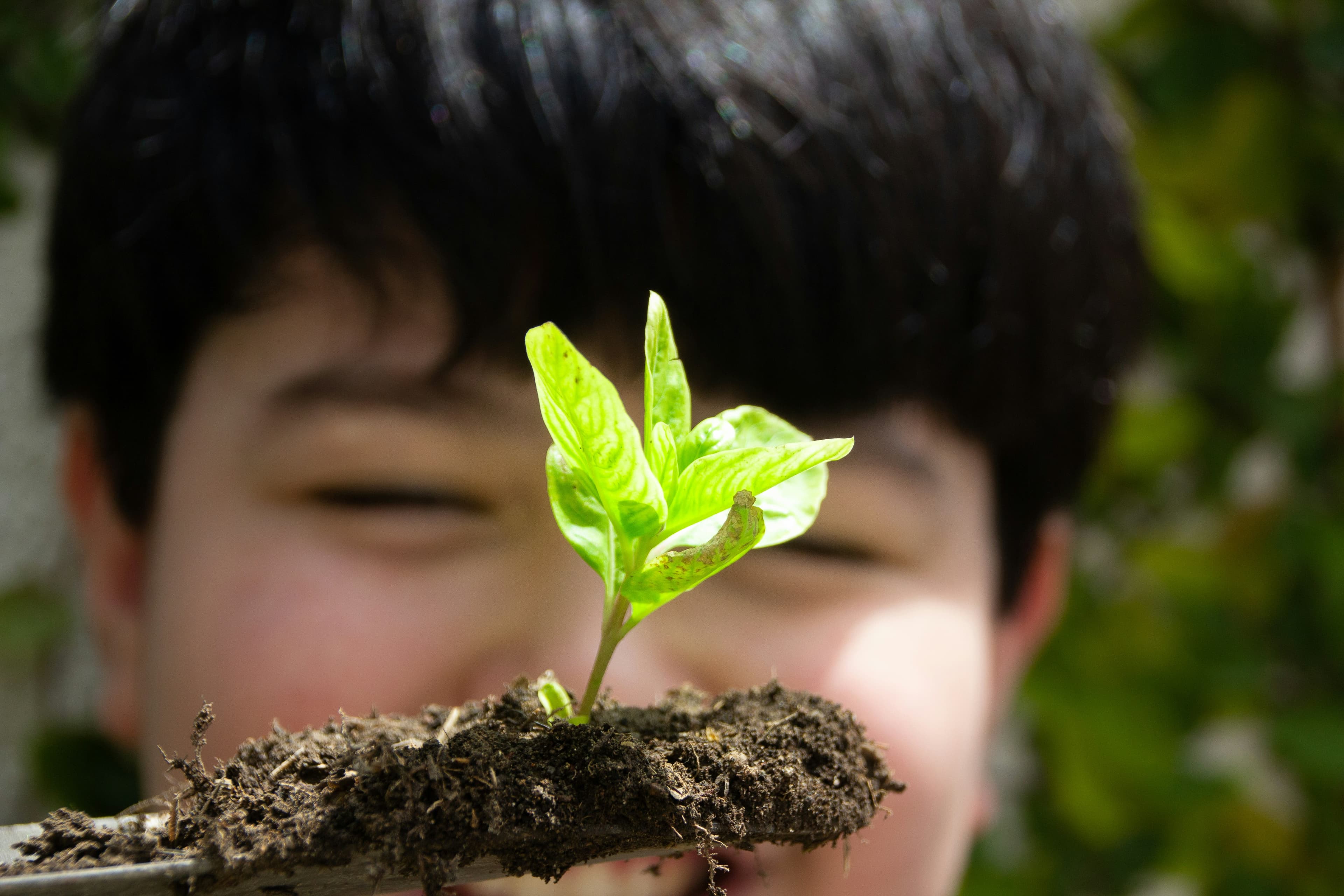
The finished mix should feel like a moist chocolate cake crumb. It should hold together when you squeeze a handful, but crumble apart when you poke it. If water drips out when you squeeze, it is too wet. If it falls apart immediately, it is too dry. If it clumps into a solid ball, you need more perlite. I usually mix a test handful before I commit the whole batch, adjusting the ratios until it feels right.
This basic recipe works for about ninety percent of container plants. For succulents and cacti, I increase the perlite to two parts and reduce the peat to half a part. For water-loving plants like tomatoes and cucumbers, I add an extra half-part of compost for nutrient density. But the core one-one-one ratio is my starting point for everything, and it has not failed me yet.
Why This Beats Bagged Mix
Cost is the first advantage. A two-cubic-foot bag of premium potting mix costs eighteen to twenty-five dollars at my local garden center. The ingredients to make the same volume of DIY mix cost about eight to twelve dollars, depending on whether I buy compost or make it. Over a full growing season with twenty containers, the savings add up to real money. I calculated my first year of DIY mixing and saved nearly eighty dollars.
Quality is the second advantage. My DIY mix stays fluffy and well-drained for an entire season. Roots penetrate easily, water soaks in evenly, and I never get that horrible hardpan layer at the bottom of the pot where bagged mix turns to mud. I also know exactly what is in my soil. No mysterious slow-release fertilizer pellets, no synthetic wetting agents, no plastic-based water crystals that eventually break down into microplastics.
The third advantage is customization. When my blueberries needed more acidic soil, I added peat instead of coir. When my lettuce wanted richer nutrition, I added extra compost. When my succulents needed faster drainage, I doubled the perlite. Bagged mix is one-size-fits-all. DIY mix is exactly what you need for the plant in front of you.
Storage and Longevity
I mix a big batch in early spring and store the extra in sealed plastic bins on my balcony. As long as it stays moist but not wet, the mix stays viable for months. If it dries out completely, the peat or coir becomes hydrophobic and resists rewetting. If that happens, I break it apart with my hands and mist it gradually over a day rather than dumping water on it. A sudden flood on hydrophobic soil just runs off the sides and wastes water.
One batch of this mix changed my container gardening results more than any fertilizer, any fancy planter, or any gardening gadget I have ever bought. It is not glamorous. It is dirt. But it is the right dirt, and that makes all the difference between a garden that survives and a garden that thrives.
Troubleshooting Common Soil Problems
If your DIY mix seems to dry out too fast, you might have added too much perlite or not enough coir. If it stays soggy for days, you need more perlite or better drainage holes. If seedlings struggle to emerge, the compost might be too chunky. Sift it through a quarter-inch screen before using it for seed starting. Small adjustments to the basic recipe solve almost every soil issue I have encountered.
Next guide: How to Fertilize Container Plants Without Burning Their Roots
Buying Guide: Soil Ingredients and Tools
Quality potting mix starts with peat moss or coconut coir as the base. Peat moss is cheaper but less sustainable. Coconut coir is renewable, holds moisture well, and has a neutral pH. Perlite provides drainage and aeration. Vermiculite holds moisture and nutrients. Compost adds organic matter and beneficial microbes. A basic DIY mix needs peat moss or coir, perlite, and compost. For specialty plants, add orchid bark for epiphytes, sand for succulents, or lime to raise pH. Buying ingredients in bulk reduces cost significantly.
Care & Maintenance of Custom Mixes
Store unused mix components in sealed containers to prevent contamination and pest infestation. Finished potting mix can be refreshed and reused for one additional season by adding twenty-five percent fresh compost and a handful of slow-release fertilizer. Do not reuse mix from plants that had root rot, fungal disease, or pest infestations. Sterilize questionable mix by baking it at 180 degrees Fahrenheit for thirty minutes, though this also kills beneficial microbes.
Common Mistakes Beginners Make
The biggest mistake is using garden soil in containers. Garden soil compacts in pots, suffocating roots and preventing drainage. Another error is skipping the drainage component. A mix without perlite or coarse material becomes waterlogged. Beginners also make mixes too rich. Excess compost or fertilizer can burn roots and cause leggy, weak growth. A balanced mix with moderate fertility produces stronger plants.
Frequently Asked Questions
Q: What is the best ratio for a basic potting mix? A: A reliable general-purpose mix is two parts peat moss or coir, one part perlite, and one part compost. Adjust based on your plants and climate.
Q: Can I reuse old potting soil? A: Yes, with amendments. Add fresh compost, perlite, and slow-release fertilizer. Avoid reusing soil from diseased plants.
Q: How do I make soil for succulents? A: Use one part potting mix, one part coarse sand, and one part perlite or pumice. The mix should feel gritty and drain almost immediately.
Q: Should I add fertilizer to my DIY mix? A: A small amount of slow-release granular fertilizer is helpful, but avoid over-fertilizing. It is easier to add nutrients later than to fix fertilizer burn.
Mix Recipes for Specific Plants
For tropical houseplants, use two parts coir, one part perlite, one part orchid bark, and a handful of worm castings. For vegetables, use equal parts compost, peat moss, and perlite with a cup of balanced organic fertilizer per cubic foot. For seedlings, use a finer mix of one part fine peat, one part vermiculite, and a small amount of compost. Seedlings need excellent moisture retention but not heavy fertility.
James Brioche
Columnist