Are Self-Watering Planters Worth It? We Tested Them for a Full Season
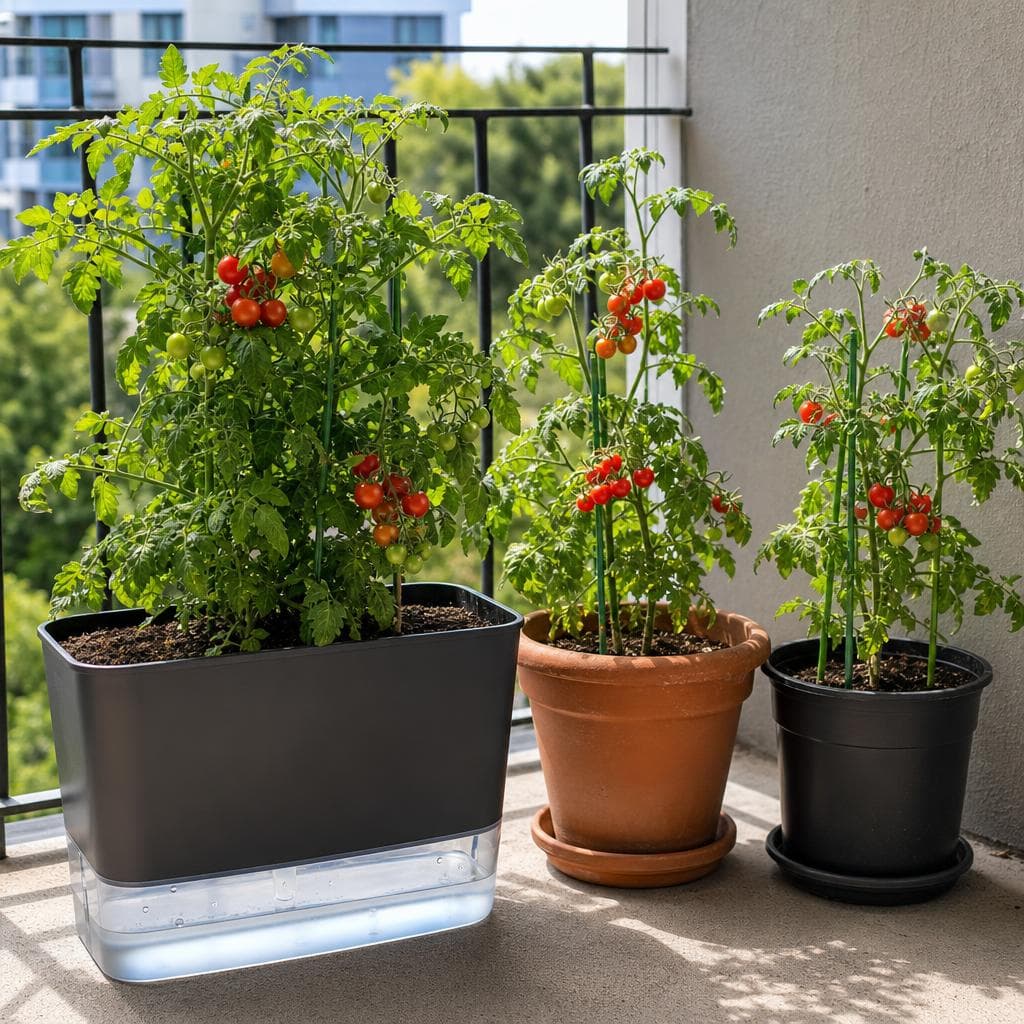
Last spring, I bought three identical tomato seedlings from the same nursery tray. I planted one in a standard terracotta pot, one in a plastic pot with a saucer, and one in a self-watering planter I found on sale for $24. Honestly, I was skeptical. The self-watering pot looked like a fancy gimmick, something designed more for Pinterest than actual gardening. I told my neighbor I was running an experiment, and she laughed and said, "Those things never work."
She was half right. By midsummer, the results were in, and they were more complicated than I expected. Self-watering planters are not magic, but they are not a scam either. Whether they are worth it depends entirely on what you grow, where you live, and how attentive you are. Over the full twelve-week season, I kept a journal of growth rates, watering frequency, fruit yield, and the all-important hassle factor. What I learned changed how I think about container gardening.
How Self-Watering Planters Actually Work
The first thing to understand is that self-watering planters do not water themselves. The name is misleading. What they do is create a reservoir at the bottom of the pot, separated from the soil by a platform or mesh. You fill this reservoir through a tube or port, and the plant draws water up through capillary action, the same way a paper towel wicks water off a counter.
Capillary action only works if the soil stays in contact with the water source. Most self-watering pots include a wicking chamber, a small pocket of soil that extends down into the reservoir like a candle wick. If this chamber dries out, the system breaks. I learned this the hard way when I let my reservoir run completely dry for four days during a heatwave. The wick dried, the soil above it baked, and my tomato plant wilted despite the reservoir being full again. It took two days of manual top-watering to reestablish the wick.
The real advantage is consistency. Most plants prefer even moisture, not the dramatic wet-to-dry cycle that happens when you water from above every few days. A full reservoir might last four to seven days in mild weather, longer in cool shade, shorter in blazing sun. For someone who travels on weekends or forgets to water, that buffer matters. During a four-day business trip in June, my standard pots dried to dust while my self-watering tomato sailed through without stress.
The Good, the Bad, and the Root Rot
After twelve weeks, the self-watering tomato was the tallest and had the most fruit. The consistent moisture meant it never suffered the stress of drying out, which can cause blossom end rot in tomatoes. The plastic pot tomato did fine but needed water every single day in July. The terracotta pot tomato needed water twice a day and still looked slightly stressed by August. By the end of the season, the self-watering plant had produced twenty-three cherry tomatoes compared to fifteen from the plastic pot and eleven from the terracotta.
But there was a downside I did not anticipate. The self-watering planter was a paradise for fungus gnats. Those little black flies thrive in constantly moist topsoil, and the self-watering system keeps the bottom half of the root zone wet all the time. I ended up sprinkling a thin layer of sand on the soil surface, which helped, but it was an extra step I never needed with the other pots. I also had to rinse the reservoir twice over the season to prevent algae buildup, which smelled faintly swampy on hot days.
Root rot was another concern. If you overfill the reservoir or get a week of heavy rain, the water has nowhere to go. My planter had an overflow hole, but it was small and clogged once with a leaf. I caught it in time, but a beginner might not notice until the roots were already drowning. Self-watering planters demand that you check the water level, not just set it and forget it. The reservoir needs cleaning, the overflow needs checking, and the wick needs staying moist.
What Grows Best (and What Does Not)
Through trial and error, I discovered that thirsty, fast-growing plants love self-watering pots. Tomatoes, cucumbers, basil, and leafy greens all thrived because they draw a lot of water and nutrients consistently. My basil in the self-watering planter was so prolific I had to give bundles away to coworkers. The lettuce stayed crisp and sweet all season without a single bitter bolt, which I attribute to the stable moisture levels.
Plants that hate wet feet, on the other hand, struggle. Succulents, lavender, rosemary, and most cacti will rot in a self-watering system. I tried a rosemary cutting in a small self-watering pot as an afterthought, and it turned yellow and died within three weeks. For Mediterranean herbs that prefer dry spells, these planters are the wrong tool entirely.
A middle category exists too. Peppers, which like moisture but not soggy roots, did okay but not spectacularly. I think the constant wetness at the bottom of the pot made them slightly less vigorous than the ones in standard pots where I could control the dry-down more precisely. Strawberries were similarly mediocre. They produced fruit, but the berries were smaller and slightly watery compared to those in terracotta.
Maintenance Reality and Cost Breakdown
Here is what nobody tells you in the marketing copy. Self-watering planters require maintenance. The reservoir needs occasional scrubbing to prevent algae and mosquito larvae. The wicking platform can clog with fine roots over multiple seasons. The fill tube can get blocked by soil or debris. These are small tasks, but they add up.
Cost is another factor. A decent self-watering planter runs $15 to $40, compared to $5 to $10 for a basic plastic pot of the same size. Over a full garden of ten containers, that price gap becomes significant. You are paying for convenience, not necessarily better plant health.
The Verdict
So are self-watering planters worth it? If you grow thirsty vegetables or herbs, travel occasionally, and remember to check the water level weekly, yes. They cost more upfront, but they save time and reduce the risk of catastrophic underwatering. For busy people who want fresh tomatoes and basil without daily commitment, they are a genuinely useful tool.
If you grow succulents, cacti, or woody herbs like rosemary and thyme, skip them. If you are the type of gardener who loves the daily ritual of watering and checking on plants, you might find them unnecessary. They remove some of the tactile engagement that many gardeners enjoy.
After my full-season test, I now own six self-watering planters, but they are not my only pots. I use them strategically for tomatoes, basil, and lettuce, the plants that reward consistent moisture. For everything else, I still reach for terracotta or plain plastic. The key is matching the tool to the plant, not assuming one planter type solves every problem. My neighbor still thinks they are gimmicks, but she also travels less than I do. For my life, they earn their shelf space.
Next guide: How to Choose the Right Planter Size (Without Guessing)
Buying Guide: Self-Watering Features
Not all self-watering planters work the same way. The best designs use a sub-irrigation reservoir separated from the soil by a false bottom or wicking material. Water moves up through capillary action, keeping soil evenly moist without saturation. Avoid designs where the reservoir directly contacts soil without a barrier; these often lead to soggy conditions and root rot. Look for reservoirs with at least a one-gallon capacity for medium pots and a visible water level indicator.
Materials affect performance. Plastic self-watering planters are affordable and lightweight but may degrade in UV light over three to five years. Ceramic versions are attractive and stable but heavy and expensive. The best premium options use UV-stabilized resin with removable reservoir trays for cleaning. Prices range from $15 for basic plastic models to $80 for premium ceramic self-watering systems.
Care & Maintenance
Clean the reservoir monthly to prevent algae buildup and mosquito breeding. Empty and scrub with dilute bleach solution, then rinse thoroughly. Check the wicking mechanism quarterly. Cotton ropes degrade over time and may need replacement every one to two years. Ensure drainage holes remain clear. In winter, empty outdoor self-watering reservoirs completely to prevent freeze damage. Refill reservoirs with fresh water rather than letting old water stagnate.
Common Mistakes Beginners Make
Beginners treat self-watering planters as set-and-forget devices. They fill the reservoir once and ignore it for weeks. Reservoirs can run dry, and plants still need periodic visual inspection for pests and disease. Another mistake is using self-watering systems for succulents and cacti, which prefer dry conditions. These plants rot in consistently moist soil. Beginners also forget that self-watering does not replace fertilizing. Nutrients still leach out and need replenishment.
Frequently Asked Questions
Q: How long can a self-watering planter go without refilling? A: One to two weeks for small indoor plants in mild conditions. Outdoor plants in summer heat may need refilling every three to five days.
Q: Do self-watering planters cause root rot? A: Only if the reservoir is too large or the wicking mechanism fails. Quality designs prevent overwatering by allowing roots to draw only what they need.
Q: Can I convert a regular pot to self-watering? A: Yes. Insert a plastic reservoir tray in the bottom, add a wicking cord from the reservoir into the soil, and create a fill tube. Kits cost $10 to $20.
Q: Are self-watering planters good for vegetables? A: Yes, for leafy greens and herbs. Tomatoes and peppers also benefit but need larger reservoirs. Root vegetables may struggle if the soil stays too moist.
When Self-Watering Makes Sense
Self-watering planters shine in specific situations. Travelers who are away for a week at a time benefit enormously. Office plants that get neglected over weekends survive better. Hot balconies where soil dries out daily get consistent moisture. Plants in hard-to-reach places like hanging baskets or high shelves need less frequent attention. However, for plants that need dry periods between waterings, like succulents, or for gardeners who enjoy daily watering rituals, traditional pots may be the better choice.
James Brioche
Columnist