Terracotta vs. Plastic vs. Ceramic Planters: A Real Gardener's Comparison
I still remember the day I lined my sunny kitchen windowsill with six matching terracotta pots, each one cradling a baby basil seedling I had nurtured from seed. They looked like something out of a gardening magazine. Within three weeks, four of those seedlings were dead. The soil had turned to concrete, the roots were dry and brittle, and I was left wondering what I had done wrong. The truth? I had picked the wrong pots for the wrong plants in the wrong spot. That failure sent me down a rabbit hole of testing every planter material I could find. After five years of trial, error, and a lot of repotting, I can tell you exactly when to reach for terracotta, when plastic is your best friend, and when ceramic earns its place in your home.
Why Planter Material Matters More Than You Think
Most beginner gardeners treat planter selection like a style decision. You pick what looks good on the shelf and hope for the best. But the material your pot is made from controls four critical things: how water moves through the soil, how roots breathe, how the pot handles temperature swings, and how much the whole thing weighs when it is time to move it.
Terracotta is essentially baked clay. It is porous, which means water and air can pass through the walls of the pot itself. That breathability is a gift for plants that hate wet feet, rosemary and lavender being the classic examples. But that same porosity becomes a curse in hot, dry climates or on sunny windowsills where evaporation happens fast. I learned this the hard way with those basil seedlings. Terracotta also wicks moisture away from the edges of the soil ball, which can leave the center of the root zone drier than the perimeter. If you are not checking soil moisture with your finger or a simple meter, you can easily underwater without realizing it.
Plastic planters are the opposite story. They are non-porous, lightweight, and cheap. Water stays in the soil longer, which is great for moisture-loving plants like ferns, calatheas, and tropicals. But that same water retention means root rot is a real risk if you are heavy-handed with the watering can. Plastic also heats up quickly in direct sun. I have seen black plastic pots in full summer sun get hot enough to cook the outer layer of roots. If you go plastic, choose lighter colors for outdoor use and always make sure there are drainage holes. Not the little nub you are supposed to punch out. Real holes.
Ceramic planters, especially glazed ones, sit somewhere in between. The glaze seals the clay, so they behave more like plastic in terms of water retention, but they are heavy and stable. That weight is an asset outdoors where wind can send plastic pots flying. Indoors, a ceramic pot on a plant stand needs to be accounted for in your weight calculations, more on that later. Unglazed ceramic is basically terracotta with a different aesthetic. Glazed ceramic can be beautiful but tends to be the most expensive option and is prone to cracking in freeze-thaw cycles if left outside in winter.
The Real-World Test: One Summer, Three Materials
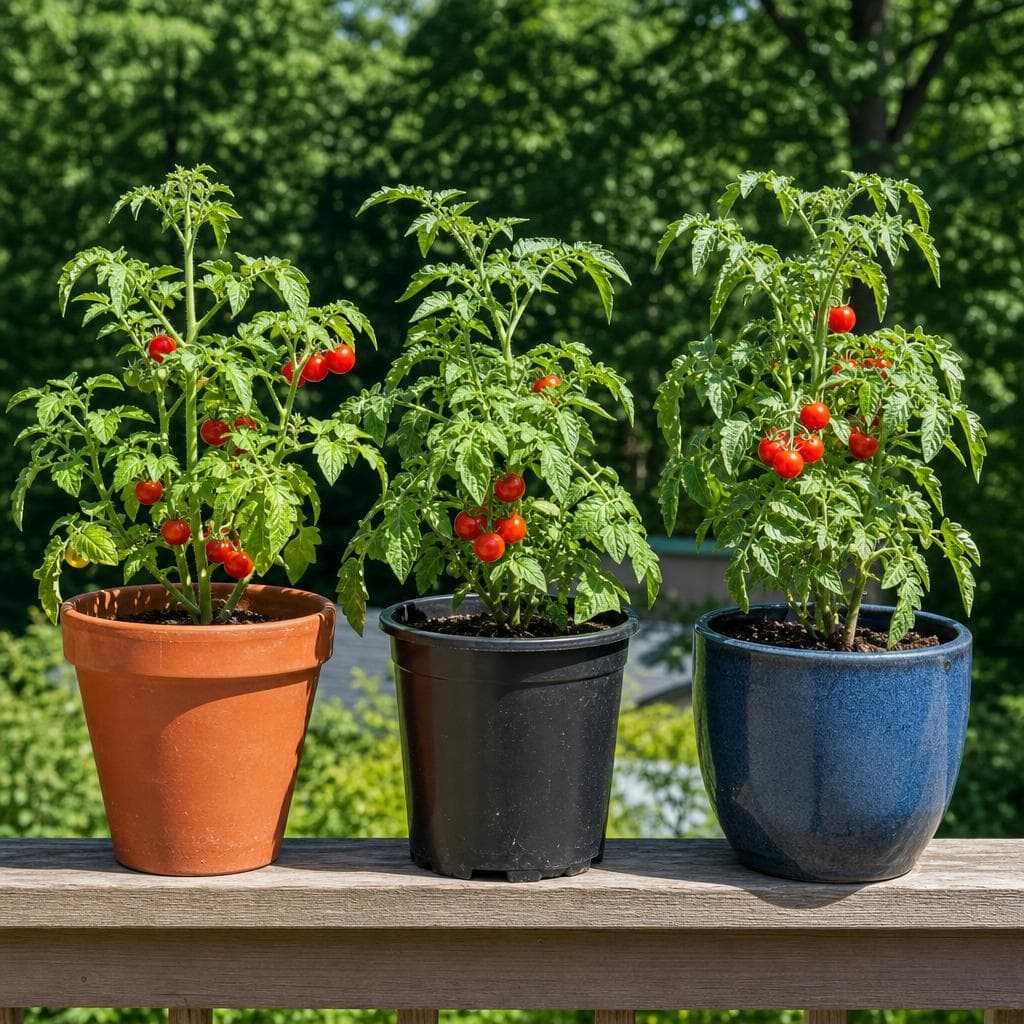
Two summers ago, I ran an informal experiment. I planted three identical cherry tomato seedlings in three identical-sized pots: a standard terracotta, a black plastic nursery pot, and a glazed ceramic planter. All had drainage holes. All used the same potting mix. All sat in the same six hours of direct sun on my balcony.
By mid-July, the plastic pot was winning on growth. The soil stayed consistently moist, and the plant barely wilted even on 90-degree days. But by August, I noticed the lower leaves yellowing. The roots had stayed wet for too long after a week of rain, and early root rot had set in. I saved it by cutting back water and trimming the affected growth, but it never produced as much fruit as it should have.
The terracotta plant needed water every single day in July. On the hottest days, twice a day. The growth was steady but slower because the plant was constantly on the edge of drought stress. The tomatoes it did produce were concentrated and flavorful, almost as if the slight stress improved the fruit. But the pot itself developed a white mineral crust from evaporated hard water that never scrubbed off completely.
The ceramic plant was the most consistent performer. The glaze kept moisture levels stable without the overheating issue of black plastic. The weight meant it never tipped in wind. It needed watering about every other day, a manageable schedule. The downside? After the first freeze, a hairline crack appeared in the base. It still held soil, but I knew its outdoor days were numbered.
How to Choose Without the Guesswork
Here is the decision framework I wish someone had handed me on day one. If your plant prefers dry conditions between waterings, think succulents, cacti, rosemary, sage, thyme, terracotta is your best bet. Just commit to checking soil moisture regularly. If you tend to forget watering or your plant likes consistent moisture, plastic is the forgiving choice. If you need a stable, wind-resistant outdoor pot and you are willing to spend more, ceramic is worth the investment. Just bring it inside or protect it from freezing temperatures.
For indoor use, weight becomes a bigger factor than most people realize. A 10-inch ceramic pot filled with moist potting soil can weigh 15 to 20 pounds. Put that on a tiered plant stand and you are asking for trouble unless the stand is rated for it. Plastic and terracotta are lighter, though terracotta still adds noticeable weight compared to thin plastic nursery pots.
One more thing nobody talks about: plastic pots degrade in UV light. A cheap plastic pot left in full sun will become brittle and crack within two to three years. Higher-quality UV-resistant plastics last longer but cost more. Terracotta can last decades if you do not drop it, but it will stain and develop that mineral crust. Ceramic, if protected from freezing, can last a lifetime and often looks better with age.
What Most People Get Wrong
The biggest mistake I see is buying a planter for looks without considering the plant's needs. That gorgeous glazed ceramic pot might kill your succulent. That cheap plastic pot might cook your tomato roots. The second mistake is assuming all terracotta is the same. Italian-made terracotta is fired at higher temperatures and is far more durable than the thin, low-fired stuff you find at big box stores. It costs more upfront but does not flake and crumble after one winter. The third mistake is forgetting drainage. Every single one of these materials needs a drainage hole. No exceptions. No gravel in the bottom. No coffee filters. Just a hole, quality potting mix, and a saucer if you need to protect your floors.
FAQ
Q: Can I use terracotta indoors without making a mess? A: Yes, but use a saucer. Terracotta sweats moisture through its walls, which can leave rings on wood surfaces. A glazed saucer or a cork mat solves this.
Q: Is it worth buying expensive ceramic planters? A: For indoor statement plants or covered outdoor spaces, yes. For full-sun balconies or areas with hard freezes, stick with terracotta or high-quality plastic.
Q: Do self-watering planters work with all three materials? A: Self-watering systems are typically built into plastic or resin pots. Terracotta's porosity makes it a poor candidate because water seeps out through the walls instead of staying in the reservoir.
---
Next guide: Are Self-Watering Planters Worth It?
Buying Guide: Material Comparison
Each planter material serves different needs. Terracotta is porous, allowing air and water to pass through the walls. This prevents root rot in plants that hate wet feet but means more frequent watering. Plastic is non-porous, retaining moisture longer and making it ideal for plants that prefer consistent humidity. Ceramic falls between: glazed ceramic is nearly waterproof, while unglazed is somewhat breathable. Match the material to your plant's water preferences and your local climate.
Weight differences are dramatic. A twelve-inch terracotta pot weighs eight to ten pounds empty. The same size in plastic weighs one to two pounds. Ceramic weighs twelve to fifteen pounds. For balconies, weight limits matter. A collection of ten terracotta pots could exceed a balcony's load capacity, while the same collection in plastic is negligible. For indoor use, weight affects mobility and floor loading.
Care & Maintenance
Terracotta develops a beautiful patina over time but also accumulates salt deposits. Scrub with vinegar solution annually. Plastic fades and becomes brittle after prolonged sun exposure; rotate pots periodically to even out UV exposure. Ceramic glaze can crack in freeze-thaw cycles; store glazed ceramic indoors in winter. All materials benefit from occasional cleaning to prevent disease transmission between plants.
Common Mistakes Beginners Make
Beginners often buy all one material for aesthetic consistency, ignoring plant needs. A collection of terracotta pots looks beautiful but means daily watering in summer. Another mistake is choosing plastic for heavy plants on tall stands; the light weight makes them prone to tipping. Beginners also assume ceramic is always better because it costs more, but premium plastic with UV inhibitors often outlasts cheap ceramic.
Frequently Asked Questions
Q: Which material lasts longest? A: Quality glazed ceramic can last decades. UV-stabilized plastic lasts five to ten years. Terracotta lasts indefinitely if protected from freeze-thaw cycles.
Q: Is plastic safe for growing food? A: Food-grade plastic marked with recycling codes 2, 4, or 5 is safe. Avoid code 3 (PVC) and code 7 (polycarbonate with BPA).
Q: Why is my terracotta pot turning white? A: Mineral salt buildup from tap water and fertilizer. It is harmless to plants but unsightly. Scrub with vinegar or replace the pot.
Q: Can I paint plastic pots to look like ceramic? A: Yes, with spray paint designed for plastic. Clean thoroughly, sand lightly, prime, and paint. Seal with clear coat for durability.
Cost Analysis Over Time
A $5 plastic pot lasts three to five years, costing $1 to $1.50 per year. A $25 terracotta pot lasts indefinitely with care, costing pennies per year. A $60 ceramic pot lasts fifteen to twenty years, costing $3 to $4 per year. The cheapest upfront option is rarely the cheapest long-term. For temporary setups or experimental gardening, plastic makes sense. For permanent gardens, invest in terracotta or quality ceramic.
James Brioche
Columnist