My first attempt at a container garden cost me nearly two hundred dollars and ended with a balcony full of dead plants. I bought expensive ceramic pots, premium organic soil, three tomato seedlings, two pepper plants, a lavender I had no business trying to grow in partial shade, and a collection of herbs that I overwatered into oblivion. I did not understand my light conditions. I did not know that different plants need different soil depths. I watered everything on the same schedule because that was easier than paying attention. By August, I had a single surviving basil plant and a profound sense of gardening inadequacy.
The truth is, starting a container garden does not need to be expensive or complicated. You can set up a productive, beautiful growing space for under a hundred dollars if you are strategic about what you buy, honest about your conditions, and willing to start small. This guide is the one I wish I had read before that first disastrous summer. It strips away the Instagram perfection and focuses on the handful of decisions that actually matter when you are starting from zero.
Map Your Space and Light Before You Spend a Dollar
The biggest mistake new gardeners make is buying plants before they understand their growing conditions. I get it — plants are beautiful and nurseries are seductive. But walking through a garden center without knowing your light levels is like grocery shopping without knowing what is in your pantry. You end up with things that do not fit and no plan for how to use them.
Spend one sunny day observing your space. Note where direct sunlight falls and for how many hours. Full sun means six or more hours of direct light. Partial shade is three to six hours. Full shade is less than three. Do not guess — actually time it. Use your phone to mark when direct light first hits your space and when it moves into shadow. Do this on a clear day in late spring or early summer when the sun is at its highest. Winter sun patterns are different and will mislead you.
Also pay attention to wind. A balcony on the fifteenth floor is a radically different environment than a ground-level patio, even if both get the same light. Wind dries out soil faster, stresses plants, and can knock over tall containers. If your space is windy, you will need heavier pots, more frequent watering, and possibly a windbreak like a trellis or a row of taller plants to shield more delicate ones.
Finally, measure your actual floor space. A four-by-six-foot balcony sounds generous until you realize you need room for a chair, a path to the railing, and space to actually tend your plants. Most beginners overestimate how many containers they can fit comfortably. Start with three to five pots. You can always add more once you know what works. A crowded balcony is hard to water, hard to harvest, and not particularly pleasant to sit on.
The Shopping List That Keeps You Under $100
Here is the honest budget breakdown that works. Three ten-inch plastic or resin planters with drainage holes will run about fifteen dollars total at a big-box store. One large bag of quality potting mix costs eight to twelve dollars. A small trowel and a watering can together are another fifteen dollars, though you can absolutely use a kitchen spoon and a repurposed milk jug if you are strapped. That leaves you sixty dollars or more for plants.
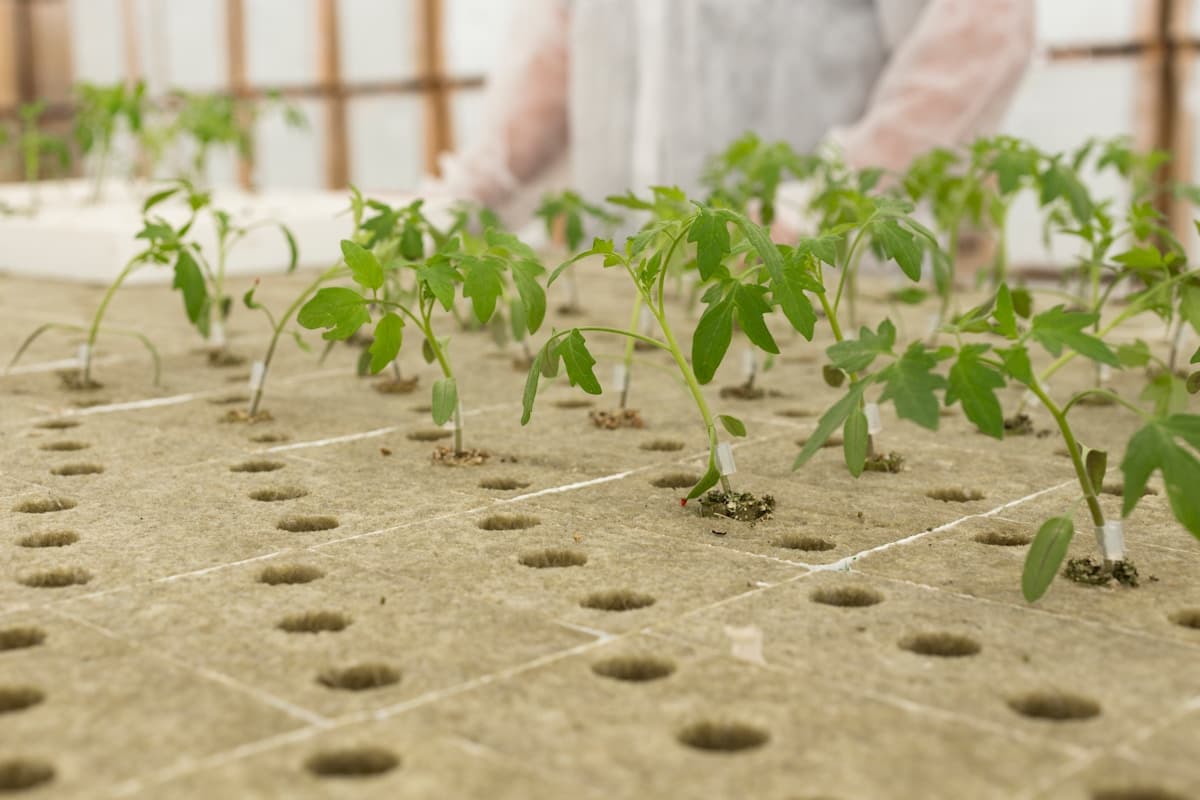
On plants, buy seedlings, not seeds. I know seeds are cheaper, but as a beginner you need the confidence boost of seeing green leaves immediately. Seeds also require precise timing, proper depth, consistent moisture, and patience — all things that are harder than they look. Seedlings give you a six-to-eight-week head start and are far more forgiving of imperfect care. A four-pack of lettuce seedlings costs about four dollars. A single cherry tomato seedling is three to five dollars. A basil plant is three dollars. You can build an entire productive garden from seedlings for under forty dollars.
Skip the fertilizer for now. Quality potting mix has enough nutrients for the first two months, which gets you through most of a growing season if you are starting in late spring. By the time your plants need feeding, you will have harvested enough lettuce and herbs to justify a five-dollar bottle of liquid fertilizer. Do not buy specialty tools, decorative plant markers, or those adorable ceramic gnomes. They are fun, but they do not help plants grow, and every dollar spent on gnomes is a dollar not spent on soil or seedlings.
One note on containers: if you are truly on a tight budget, food-safe five-gallon buckets with holes drilled in the bottom are free or nearly free from bakeries and restaurants. Fabric grow bags cost about two dollars each and outperform expensive ceramic for vegetables. Repurposed wooden wine boxes, metal buckets, and even sturdy tote bags can work in a pinch. The container matters less than the drainage and the soil inside it.
Plant Selection and the Setup Day
For your first garden, choose plants that are forgiving, productive, and suited to your light. In full sun, cherry tomatoes are the ultimate beginner win. They produce reliably, taste infinitely better than store-bought, and give you the satisfaction of harvesting actual food. Pair them with basil, which loves the same sun and makes every tomato dish better. Add a pot of lettuce for quick greens — you can start harvesting outer leaves within three weeks of planting.
In partial shade, leafy greens are your friends. Lettuce, spinach, arugula, and kale all prefer cooler conditions and will produce steadily with three to five hours of light. Chard is particularly bulletproof — it tolerates heat better than lettuce, handles shade better than tomatoes, and keeps producing leaves for months. Add a pot of mint, but give it its own container. Mint is the houseguest that will take over every other plant's space if you let it.
In full shade, your options are more limited but not nonexistent. Leafy greens still work, especially in summer when shade keeps them from bolting. Herbs like parsley, cilantro, and chives tolerate low light better than basil or rosemary. For ornamentals, hostas, ferns, and coleus provide lush foliage without demanding sun. A shady container garden will not feed you as generously as a sunny one, but it can still be beautiful and rewarding.
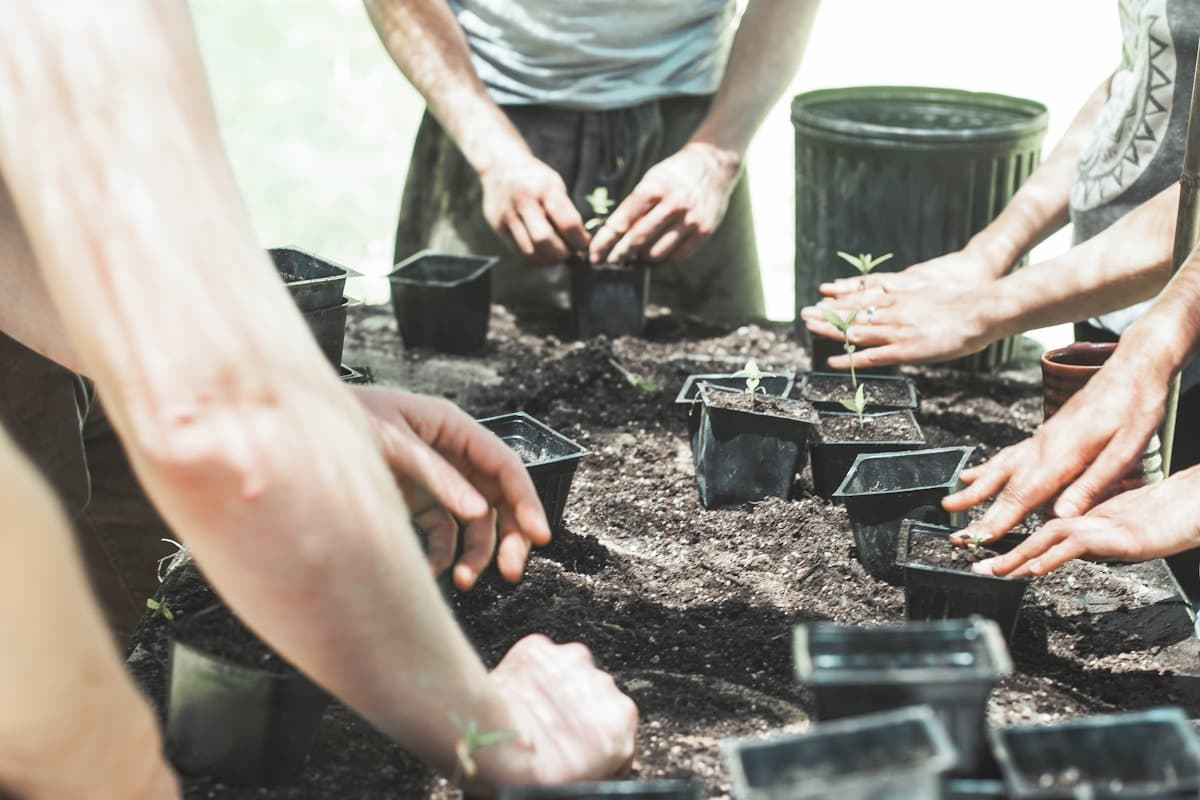
Setup day should be simple. Fill each container with potting mix, leaving an inch of space at the top. Water the mix lightly before planting — dry potting mix repels water at first, and you want it evenly moist. Remove each seedling from its nursery pot, gently loosen any circling roots, and plant it at the same depth it was growing before. Firm the soil around the base, water thoroughly until drainage appears, and place the pot in its final location. That is it. Do not overthink it.
The Mistakes Everyone Makes (and How to Avoid Them)
Overwatering kills more container plants than underwatering, pests, and diseases combined. The symptoms look similar — yellowing leaves, wilting, stunted growth — but the cause is opposite. An underwatered plant is thirsty. An overwatered plant is drowning. If you are unsure, stick your finger into the soil. Dry to the second knuckle means water. Damp means wait. When in doubt, wait. Most plants recover from a day of dryness. Few recover from a week of soggy roots.
Another classic mistake is planting too early. Every spring, garden centers fill with tomato seedlings in March, and every spring, impatient gardeners buy them, plant them outside, and watch them die in a late frost. Know your last frost date and wait at least two weeks after it before putting tender plants outside. If you are gardening indoors on a windowsill, timing matters less, but temperature still does. Most vegetables prefer soil temperatures above sixty degrees Fahrenheit.
Crowding is the third major beginner error. A single cherry tomato plant needs a five-gallon container minimum. Two lettuce seedlings in a twelve-inch pot is plenty. Four is too many — they will compete for light and nutrients, and none will thrive. Read the spacing recommendations on the seedling tags and believe them. Plants need room for roots and leaves. A crowded pot looks lush for about two weeks, then turns into a struggling mess.
Finally, do not expect perfection. Your first container garden will have problems. A plant will die. Another will get aphids. You will forget to water during a heat wave and come home to wilted leaves. This is normal. Gardening is a skill learned through failure, and every dead plant teaches you something about light, water, or soil that you did not know before. The goal of your first season is not a flawless Instagram feed. It is to keep one or two plants alive long enough to harvest something from them. Everything else is bonus.
If you follow this guide, spend your hundred dollars wisely, and pay attention to your plants, you will have lettuce for salads, basil for pasta, and cherry tomatoes that taste like summer by the time August rolls around. More importantly, you will have the confidence and knowledge to expand next year. Container gardening is not about having a green thumb. It is about paying attention, learning from mistakes, and showing up for your plants even when you are busy. Start small. Start cheap. Start now.
Buying Guide: Your First Container Setup
Start with three to five containers rather than twenty. A manageable first garden prevents overwhelm and ensures each plant gets attention. Buy one large container (eighteen to twenty-four inches) for a statement plant like tomatoes or peppers, two medium containers (twelve to fourteen inches) for herbs or leafy greens, and one small container (eight to ten inches) for a single herb or decorative plant. This gives you variety without complexity. Budget $50 to $100 for containers, $20 to $40 for quality potting mix, and $15 to $30 for seeds or seedlings.
Care & Maintenance
Container gardens need daily attention in summer. Check soil moisture every morning. Water when the top inch feels dry. Remove dead or yellowing leaves weekly to prevent disease. Fertilize every two weeks during the growing season with a balanced liquid fertilizer diluted to half strength. Rotate containers every few days so all sides receive equal light. Prune herbs regularly to encourage bushier growth and prevent legginess.
Common Mistakes Beginners Make
The classic first-timer mistake is planting too much too soon. Five tomato plants in a single container compete for nutrients and produce nothing. Another mistake is neglecting to harden off seedlings. Plants grown indoors need gradual exposure to outdoor sun and wind over seven to ten days. Beginners also forget to label plants. By June, you will not remember which pot contains basil and which contains cilantro unless you mark them.
Frequently Asked Questions
Q: What is the easiest plant to grow in a container? A: Cherry tomatoes, basil, mint, and lettuce are forgiving for beginners. They grow quickly and tolerate minor mistakes.
Q: How much sunlight does a container garden need? A: Most vegetables need six to eight hours of direct sun. Leafy greens tolerate partial shade. Herbs need four to six hours.
Q: Can I start a container garden on a balcony? A: Absolutely. Check your building's weight restrictions, use lightweight containers, and secure tall plants against wind.
Q: When should I start my container garden? A: Start after your last frost date. In most regions, this is late April to mid-May. Start seeds indoors six to eight weeks before that date.
Harvesting and Enjoying Your Garden
Harvest herbs when they have enough foliage to sustain continued growth. For basil, pinch stems just above a leaf pair. For tomatoes, wait until they are fully colored and slightly soft. For lettuce, harvest outer leaves first and let the center continue producing. The joy of a container garden is eating what you grew. Even a single homegrown tomato tastes better than anything from the store.
James Brioche
Columnist